
The long-awaited completion of the Route 228 corridor may finally be within reach.
After securing nearly $186 million in public and private investment and completing two major construction phases, Butler County is seeking approximately $61 million in federal funding to construct the final 3.2-mile segment needed to complete the corridor between Route 8 and Route 19.

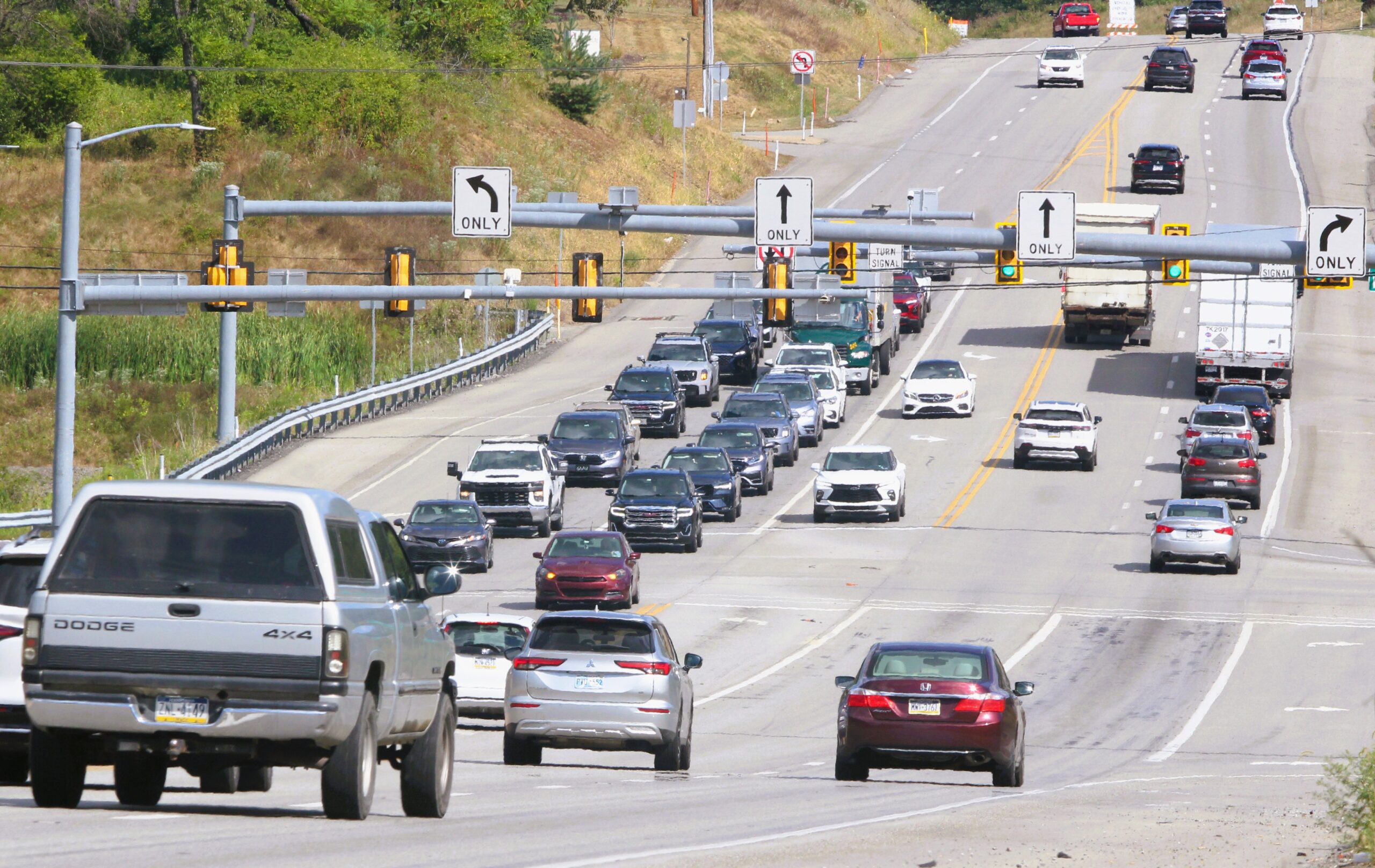
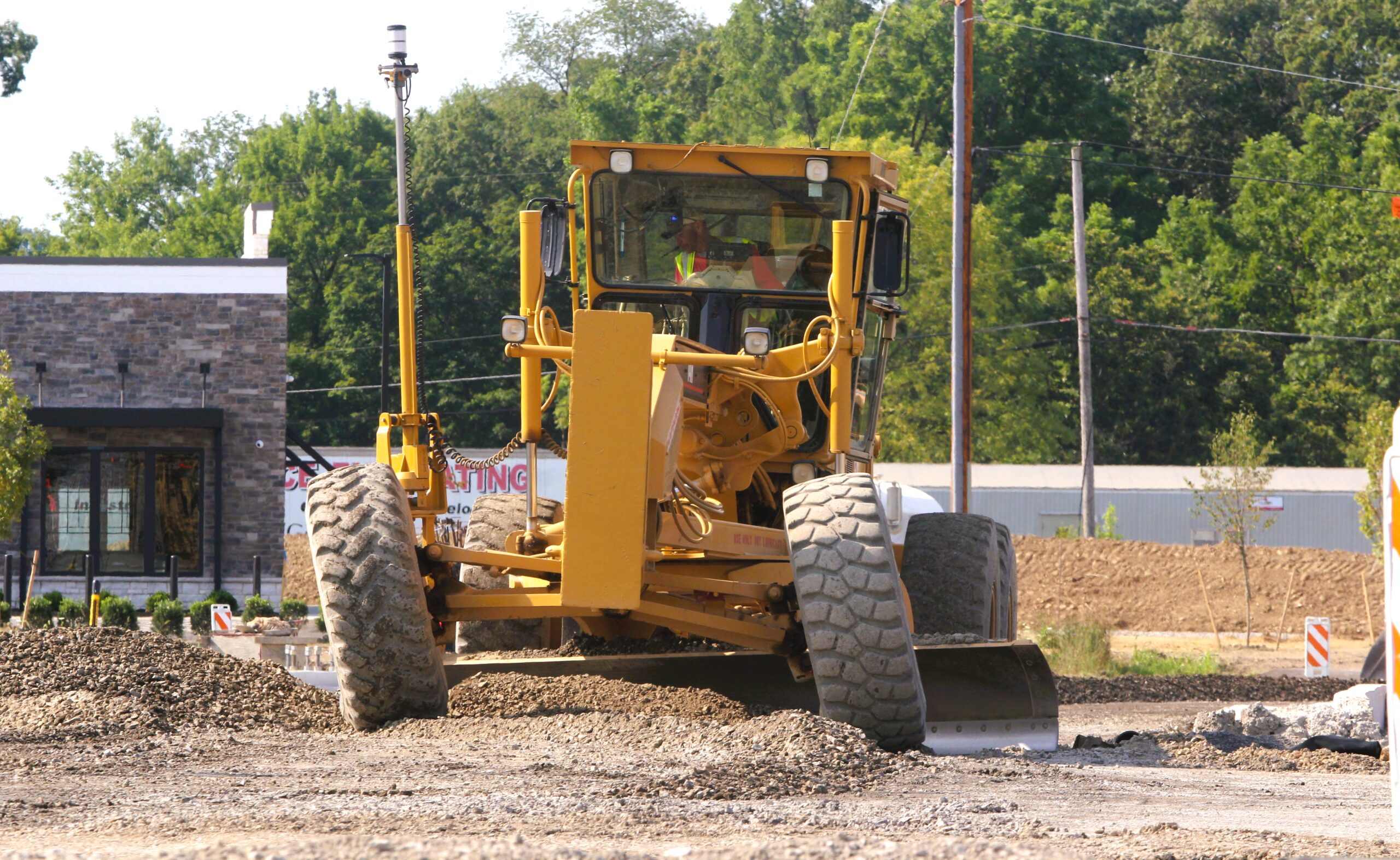
Much of the corridor has already been transformed, with new intersections, roadway improvements and expanded access to commercial developments improving how residents, businesses and freight move through southern Butler County.
The funding request represents far more than another road construction project. Local, county, state and federal leaders describe Route 228 as a vital transportation corridor that supports one of Pennsylvania’s fastest-growing regions, connects major freight routes, improves public safety and serves as an economic engine for southern Butler County.
Butler County’s chief of economic development, Mark Gordon explained that the county’s case extends well beyond reducing traffic congestion. He described Route 228 as part of a regional freight network linking Interstates 79 and 76 with rail lines, inland port facilities in Freeport and Monaca, and manufacturers throughout western Pennsylvania. Companies including MSA Safety, Westinghouse, Cleveland-Cliffs and Coherent depend on the corridor to move products, materials and employees, he said, making the project significant to the regional economy as well as local commuters.
If approved, the federal award would allow Butler County to complete the final section of a transportation corridor that has been discussed for nearly 40 years.
A Vision Years in the Making
While Route 228 has been on transportation planning maps for decades, Butler County officials say the current effort began taking shape in 2017.

On the drive home from Washington, Geyer and Osche discussed pursuing federal funding to complete Route 228.
“That day’s events inspired us,” Geyer said. “We reached out to our new federal contacts, learned about the BUILD grant program and began putting together a strategy.”
At the time, Butler County had never pursued a federal transportation grant of that magnitude.
“The BUILD program was totally foreign to us,” Geyer explained. “Counties typically did not apply for this type of funding.”
Rather than being discouraged by the unfamiliar process, county officials viewed it as an opportunity to compete for funding that traditionally had been pursued by state transportation agencies.
County leaders assembled a team that included Butler County officials, PennDOT representatives and Delta Development Services to develop a competitive national application.
Changing the Strategy
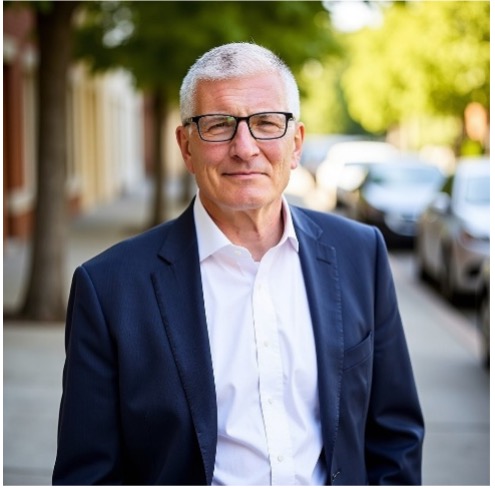
When Mark Gordon joined Butler County as chief of economic development later that year after retiring from AK Steel, he believed the county needed to rethink its approach.
For decades, Gordon said, the goal had been getting Route 228 listed on long-range transportation plans.
“The real goal was delivering the project,” Gordon said. “This was not a ‘build it and they will come’ project. The vibrancy of the community was already here.”
Instead of asking the federal government to fund the entire corridor, Gordon helped develop a strategy that combined local, county, state and federal dollars to complete the project in phases.
That collaborative approach eventually became one of the county’s greatest strengths.
Rather than arriving in Washington asking for money, Gordon said Butler County arrived with municipalities, PennDOT and county government already committed financially to the project.
“We had a pathway,” Gordon said. “We just needed help closing the gap.”
The county’s strategy soon paid dividends.
In 2018, Butler County received a $20 million BUILD grant to construct the first phase of Gateway 228, including improvements near the former Balls Bend S-curve and portions of Freedom Road.
Two years later, the county secured a second BUILD grant to continue improvements along Three Degree Road and Freedom Road.
Today, county officials estimate approximately $186 million has already been invested in the Route 228 corridor through a combination of federal, state, county, municipal and private funding.
Looking back, Gordon still remembers what Transportation Secretary Elaine Chao told him after Butler County received its first BUILD grant.
“Your application and project out of Butler County was the number one project in the nation,” Gordon recalled Chao telling him. “It was the innovative approach that you have taken and redefined how to do road projects.”
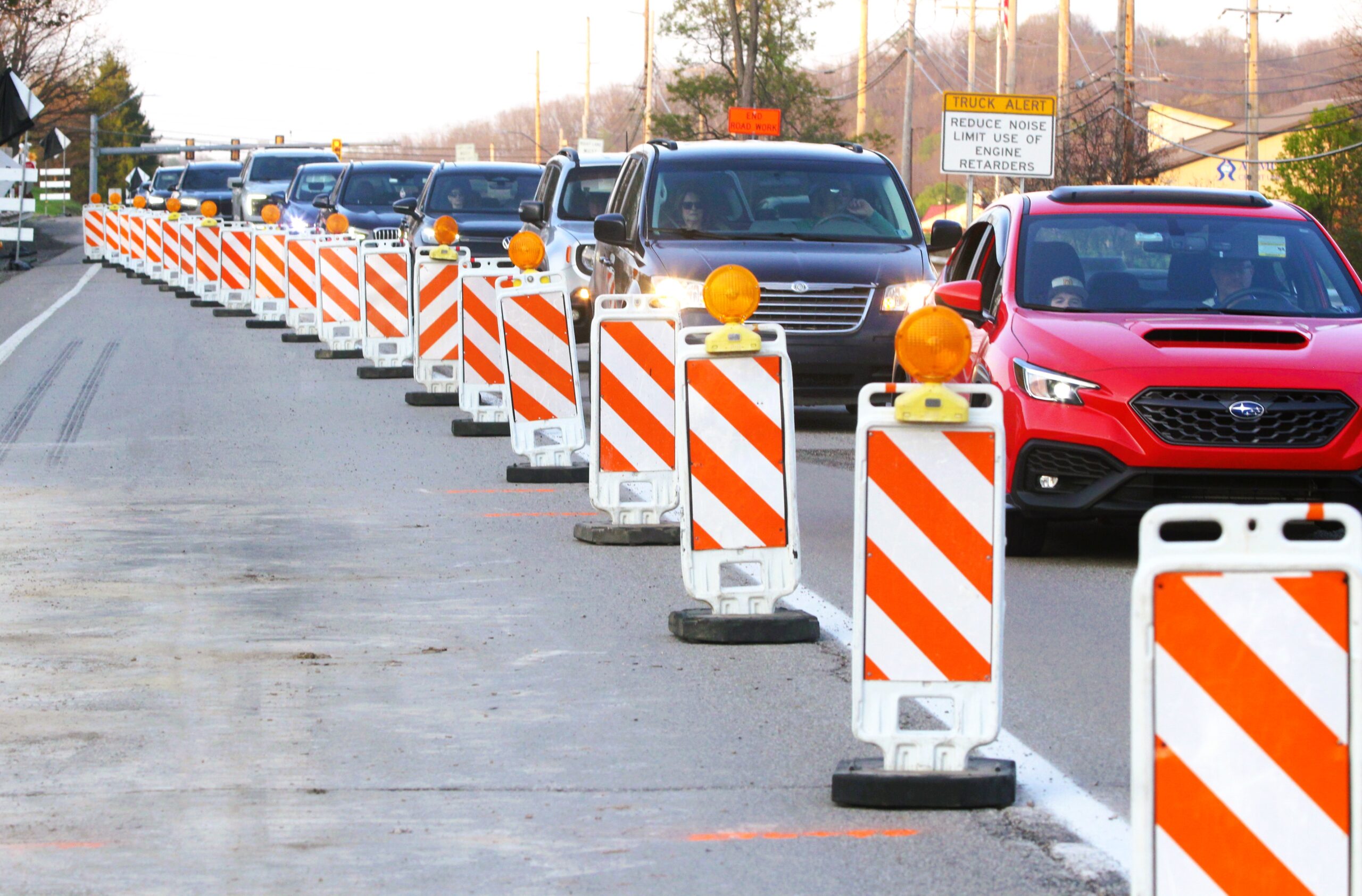
Safety has remained one of the project’s strongest selling points. Gordon pointed to the reconfiguration of the former Balls Bend S-curve—a section of Route 228 that, he said, had been the site of numerous crashes, including at least one fatality—as one example of how the project is improving safety. He also noted the corridor has experienced multiple school bus accidents and serves Mars Area School District campuses, North Catholic High School, St. Kilian Parish School and numerous childcare centers, making safety improvements especially important for students and families.
Why Washington Continues to Invest
Congressman Mike Kelly said the Route 228 corridor has remained one of his priorities because of its impact on residents, businesses and taxpayers throughout southern Butler County.
“The Gateway 228 project impacts so many people in Cranberry, Mars, Seven Fields and across southern Butler County,” said Kelly. “It’s a significant improvement for safety, traffic flow and commerce for one of the busiest highways and fastest-growing regions in Pennsylvania’s 16th Congressional District.”
Kelly explained previous federal investments demonstrate confidence in Butler County’s ability to deliver major infrastructure projects.
“When my team and I worked to secure the two BUILD grants in 2018 and 2020, we knew how important this project would be,” noted Kelly. “The proven track record of this project together with the growing population and investment made by local companies reinforces the need to get this project across the finish line.”
County officials say they believe that track record gives Butler County a strong advantage as the U.S. Department of Transportation reviews the current funding request.
Commissioner Kevin Boozel agreed.
“We’ve already proven ourselves twice with the BUILD grants,” said Boozel. “I’m as confident as you can get about getting this award.”
County officials estimate the final phase will cost approximately $122 million. Roughly half the funding has already been assembled through state and local commitments, leaving the requested federal award as the final major component needed to move construction forward.
“It’s a game changer for the local economy,” Kelly said. “The heartbeat of local commerce runs through Route 228. From Cranberry Township, where so many local and regional companies have moved in recent years, to communities like Mars, Seven Fields and Saxonburg, there are major employers that rely on this highway to transport goods while providing access for employees and residents. Taxpayer dollars are at work right here in our community.”
What’s Next?
The funding request is now under review by the U.S. Department of Transportation. The county’s request received renewed support Thursday when U.S. Representative Mike Kelly sent a letter to U.S. Transportation Secretary Sean Duffy urging approval of Butler County’s Infrastructure for Rebuilding America (INFRA) grant application. Kelly said his office is continuing to work with the Butler County Commissioners and Chief of Economic Development Mark Gordon as federal officials evaluate the application.
County officials said receiving the INFRA grant would allow them to advertise bids for the final phase as early as this fall, immediately following completion of the current construction, a timeline that Commission Chair Kim Geyer said could save the county approximately $20 million in contractor mobilization costs by avoiding the need to demobilize and remobilize equipment and construction crews.
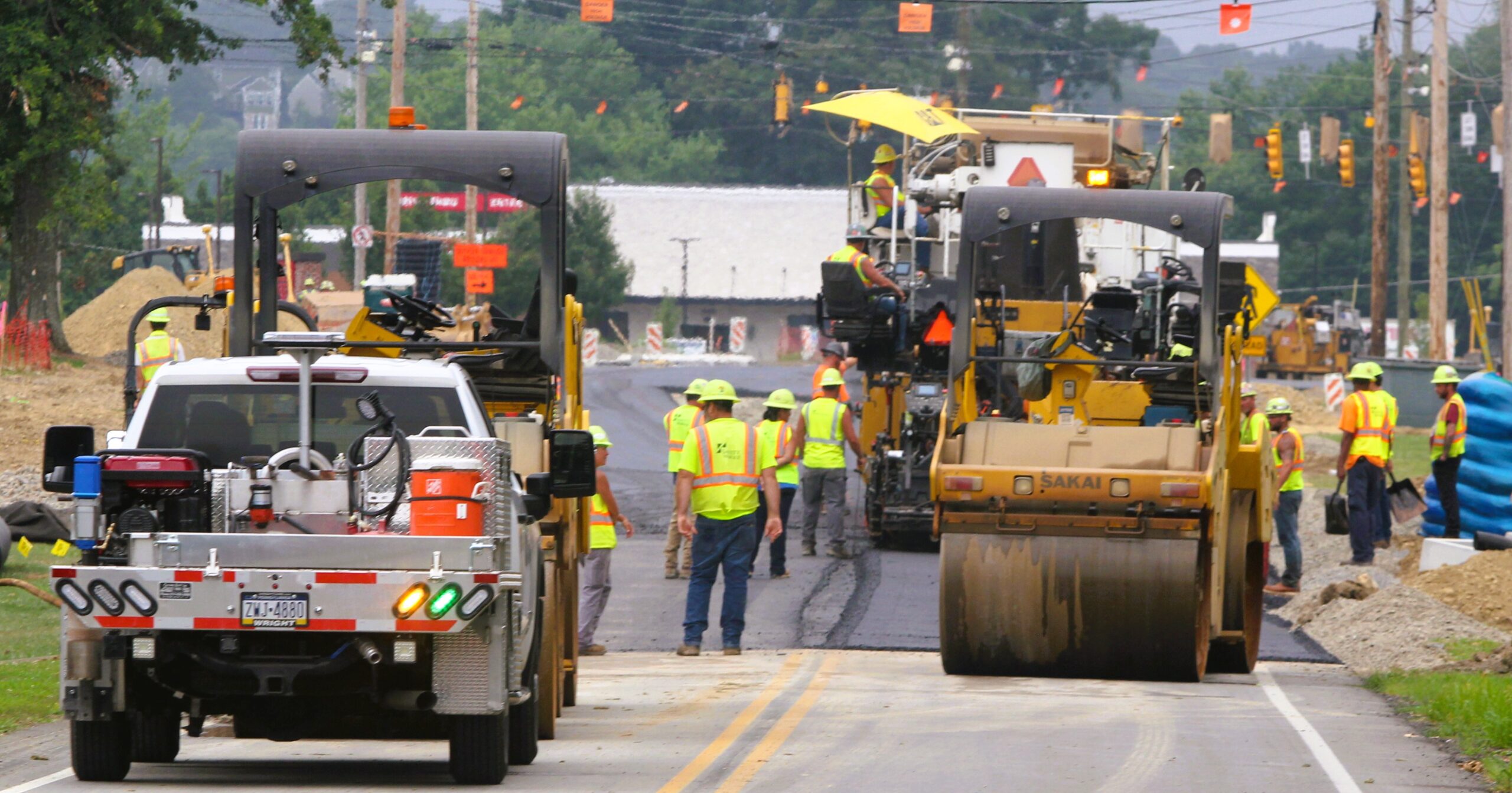
If the project receives funding, county officials say contracts could be awarded later this year, allowing construction on the final 3.2-mile segment to begin shortly thereafter. The current Phase 2 improvements are expected to be substantially completed this fall, and officials estimate the final phase could be finished by late 2028, completing the Route 228 corridor from Route 8 to Route 19.
“This is the most difficult portion,” Boozel said. “It doesn’t make a lot of sense to do the other two ends if you’re not going to finish the middle piece.”