
CRANBERRY TWP. — When Adams Township Manager Mike Tylka recruits employees to maintain roads and plow snow, finding someone who can afford to live nearby presents a challenge.

That distance can matter when crews need to respond to a storm.
“Your roads might take another 30 minutes to get plowed because I need them to come in,” Tylka said.
His example brought a practical consequence into a broader discussion Friday at the Southern Butler County Business Association’s legislative roundtable: As the region grows, can the people who work here, grew up here or have spent their lives here afford to stay?
Held at South College Pittsburgh in Cranberry Township, the discussion brought together municipal leaders, state representatives and Butler County commissioners to address workforce development, infrastructure, transportation and the costs facing residents and employers.
Housing affordability emerged as a concern connecting those issues, with officials describing its effects on municipal staffing, young adults’ prospects and seniors’ ability to remain in their communities.
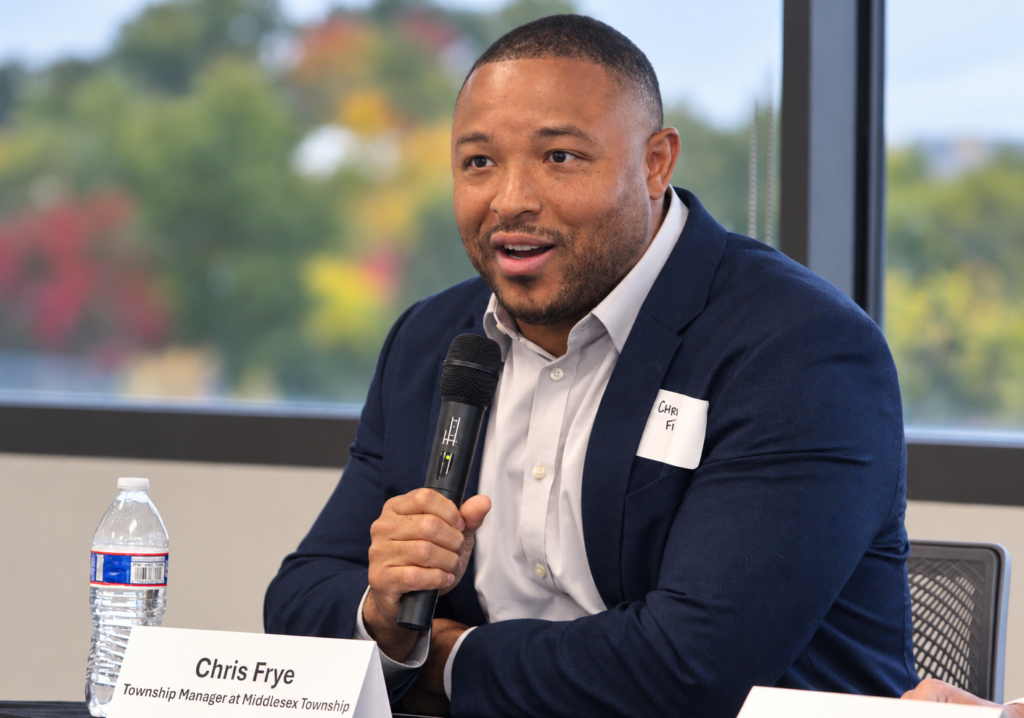

He described staff members struggling to get by and concerns about rental properties potentially being sold for redevelopment. Losing those housing options, he said, could also affect the township’s ability to retain workers and provide services.
Frye urged officials to raise affordability in conversations with developers and consider resources that could help provide housing for a broader range of incomes.
“How do we keep our people in our communities?” he asked.

Like Tylka, Frye said he has personally helped with field work, including putting out traffic cones, because of workforce shortages.
One project addressing housing affordability is already under construction in Adams Township.
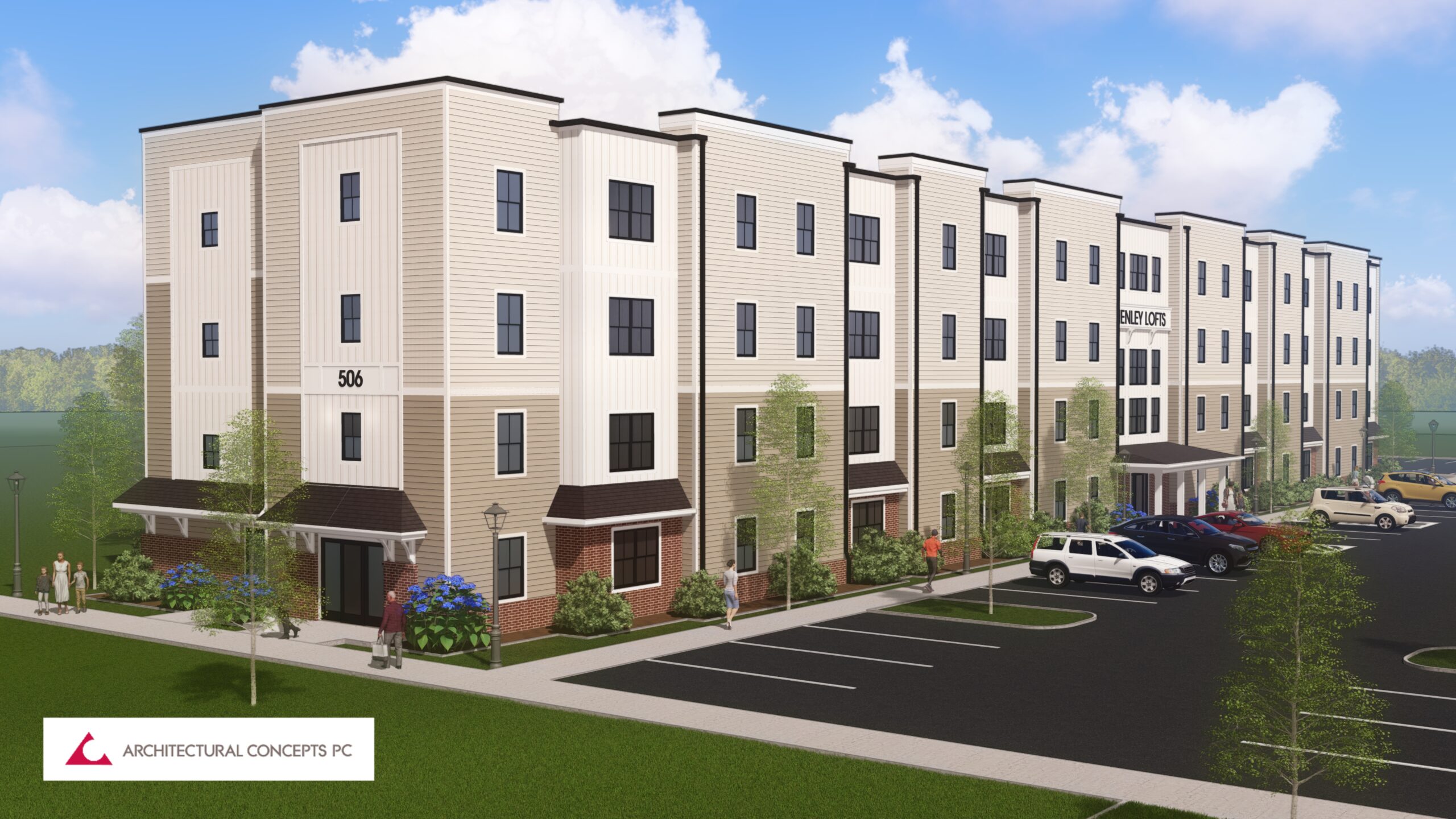
Henley Lofts, a 45-unit mixed-income apartment development near Route 228 and Park Avenue, will include income-restricted apartments alongside unrestricted market-rate units. Developer Jeff Woda told The 228 Times in April that the restricted units would serve qualifying households earning between 20% and 60% of the area median income.
At the time, Woda said the development was expected to open in summer 2027. The project is supported by public and private financing, including funding and tax credits through the Pennsylvania Housing Finance Agency.
Young residents question whether they can stay

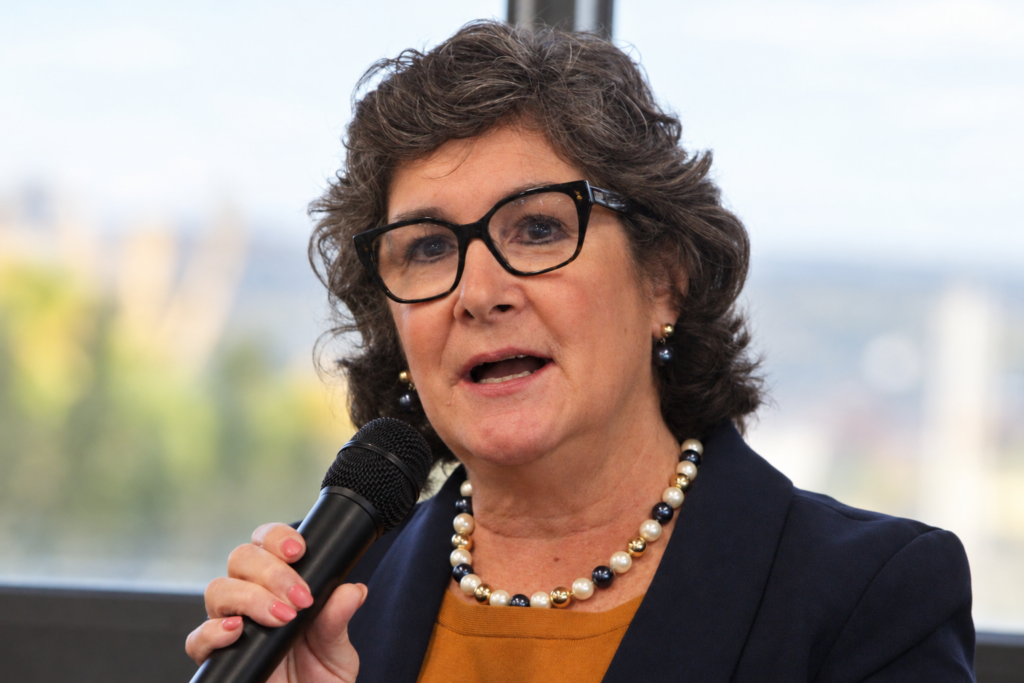
Through student leadership groups involving the county’s seven school districts, she said, she hears from teenagers who enjoy growing up in the area but question whether they will be able to afford to live here as adults.
Even before college, she said, some have concluded that local housing prices will put that goal beyond their reach.
Geyer said communities need a wider range of housing options, including townhouses and apartments, while recognizing that some younger adults prefer renting to the maintenance and responsibilities of owning a house.

Cranberry Township Supervisor Karen Newpol described efforts to locate housing near shopping and other amenities, giving residents opportunities to walk to businesses and reduce some vehicle trips.
“We’re trying to have communities within communities,” Newpol said.
She said the township uses its planning and zoning framework to guide development toward appropriate locations, including areas near major commercial corridors.
Newpol also described seniors selling their homes and moving into apartments as they seek to manage expenses on fixed incomes.

She expressed a personal preference for more condominium options that would allow residents to own their homes while living in a setting with less maintenance.
A call for mixed-income housing
Commissioner Kevin Boozel connected housing costs directly to employers’ ability to attract workers.
When employees cannot afford to live near their jobs, he said, they must absorb the expense of commuting or depend on transportation alternatives.
Boozel encouraged municipalities facing development to consider requiring a mix of income levels in larger housing projects. He suggested a 25% mixed-income requirement, with municipalities determining the size of development that would trigger it.
Such an approach, he said, could help workers live in the communities where they are employed.
His comments were a recommendation for municipalities to consider; the roundtable discussion did not establish that such a requirement had been adopted locally.
Boozel also described an unsuccessful effort to establish a transit hub in Cranberry with connections to take riders the remaining distance to their workplaces. Transportation, he said, remains part of the workforce discussion when housing near employment is out of reach.
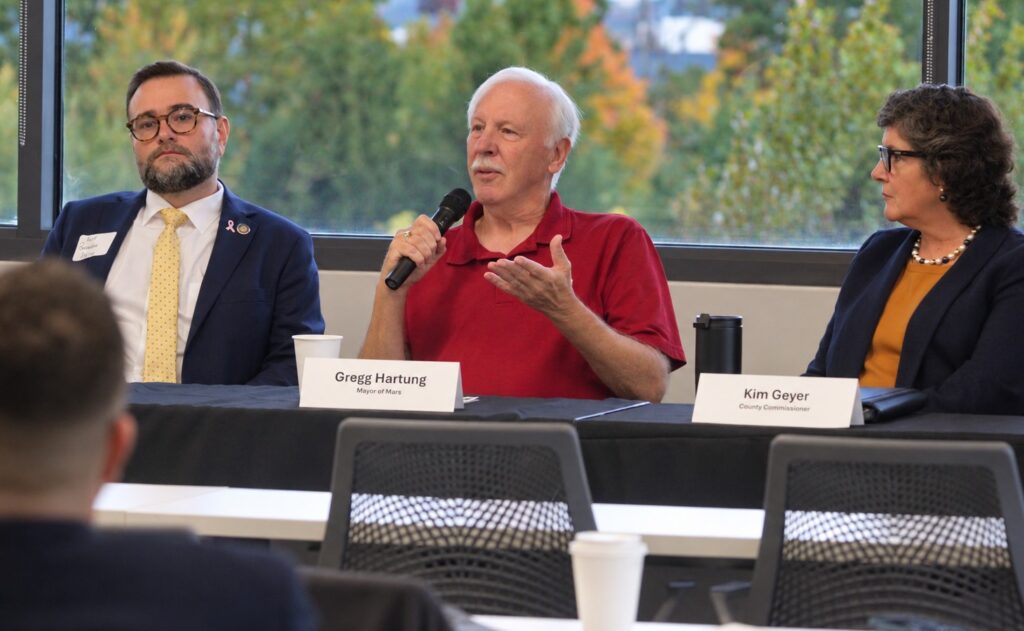
Mars Mayor Gregg Hartung offered the perspective of a small borough surrounded by suburban growth.

That turnover presents challenges for a borough trying to maintain community connections while responding to the needs of both newer and longtime residents.
Rising costs reach municipal budgets
Tylka said affordability pressures extend beyond employees’ household budgets.
He cited anticipated health insurance increases of 13% to 17% for Adams Township, which he said has 44 employees. Those additional expenses can delay other priorities.
A grants coordinator position he had hoped to pursue is being pushed back, he said. With township staff already operating leanly, finding time to apply for grants remains a challenge.
The result, he said, is that rising operating expenses can affect the township’s capacity to seek outside funding for other community needs.
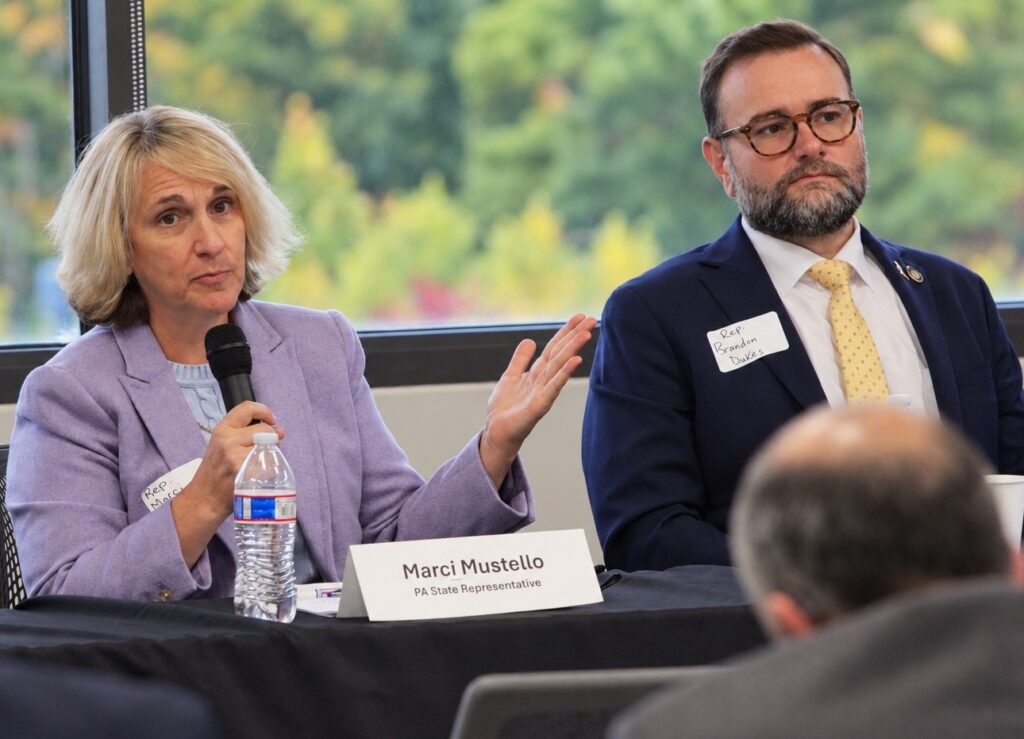
State Rep. Marci Mustello identified property tax reform and school funding as priorities, emphasizing seniors’ ability to remain in their homes.
State Rep. Brandon Dukes discussed the upfront costs confronting first-time homebuyers, including down payments and closing expenses. Drawing on his banking background and experience buying a home, he said those hurdles can be difficult for younger households without financial help from relatives.
Officials offered different explanations and policy responses to rising costs. But the closing discussion repeatedly returned to the connection between housing, employment and the ability to sustain a community.
For Frye, that connection reaches directly into the work residents expect their municipalities to perform.
Housing costs, he said, affect “our ability to serve our community.”