

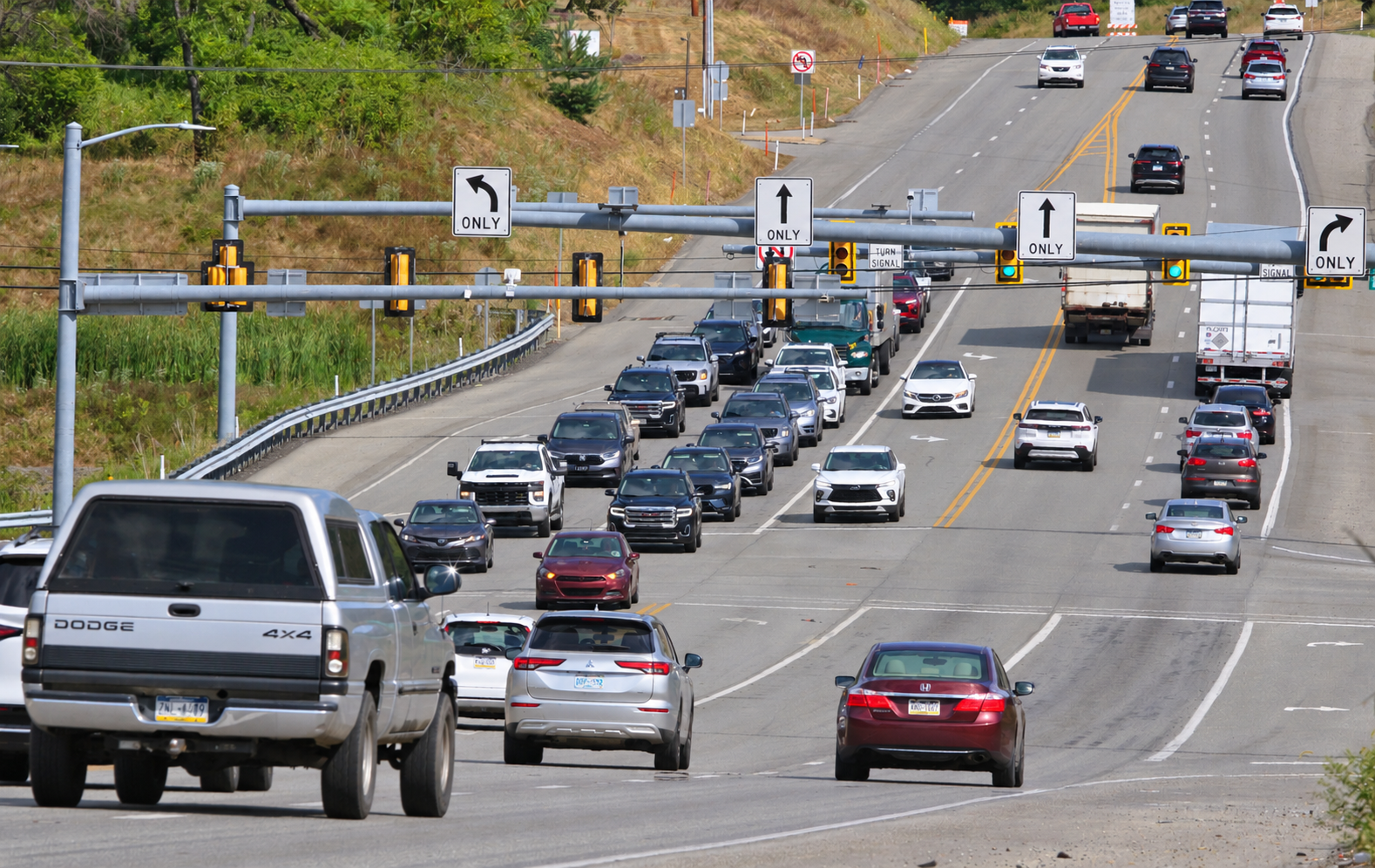
Butler County did not receive the $50.9 million federal INFRA grant it sought to complete the final 3.2 miles of the Gateway 228 corridor between Pittsburgh Street and Franklin Road, county officials said. Officials now plan to pursue two smaller federal grants to help close the funding gap.

“We will make it happen in 2027!” Geyer said.
Officials hope to begin construction in December 2027 and complete the remaining section in 2030. They are exploring two applications through the federal BUILD program, potentially seeking $25 million each, but neither award is assured.
The goal, officials said, is to preserve a December 2027 construction start and anticipated completion in 2030. Neither the replacement grants nor a complete construction funding package is secured.
Geyer, fellow Commissioner Leslie Osche, U.S. Rep. Mike Kelly and county chief economic officer Mark Gordon discussed the setback and their next steps during an Oct. 19 interview with The 228 Times.
Gordon described the county as “determined to finish the effort.”
A missing connection

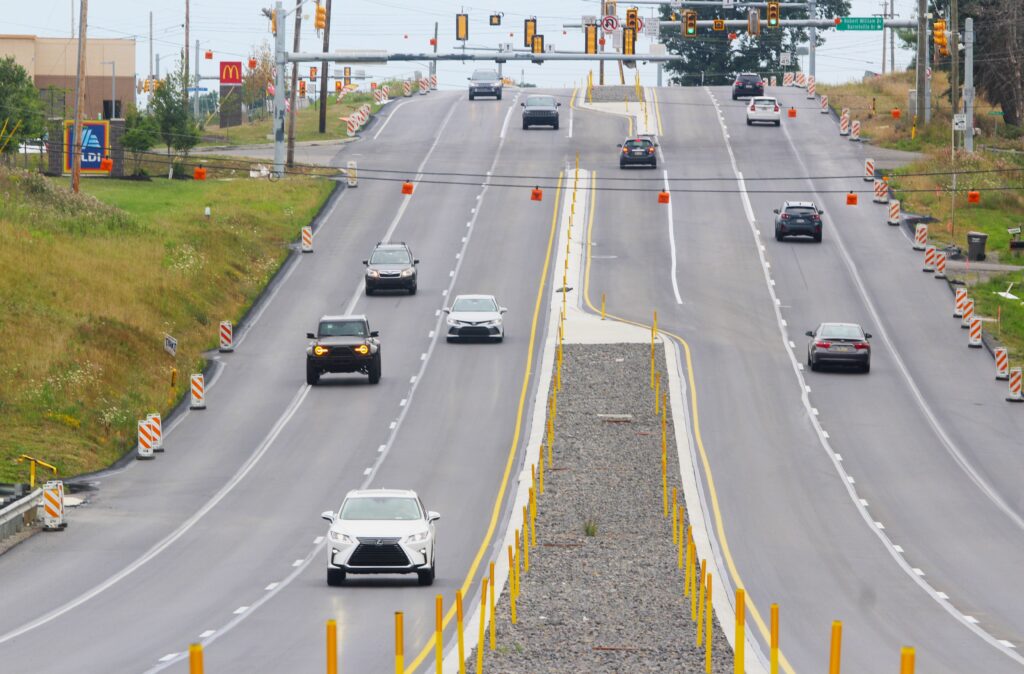
It would connect sections of the corridor already improved on either side.
“If you don’t finish the middle, you’ve stranded your investment on two ends,” Osche said.
PennDOT estimates the remaining project’s total cost at approximately $123.8 million. That includes $21.8 million already funded for preliminary engineering, final design, utilities and right-of-way, plus approximately $102 million for construction.
Preconstruction work is continuing, PennDOT spokeswoman Tina Gibbs told The 228 Times in written responses. Moving into construction depends on assembling the remaining funding.
“The project moving into construction is reliant on finding the remaining funding,” Gibbs wrote.
Decades of discussion, years of progress
For Geyer, the road’s history is personal.

She recalled hearing those discussions when she was roughly 10 to 14 years old. The area was more rural then, but growth in nearby Cranberry and access to the interstates were helping reshape the region.
She followed the corridor’s development through adulthood and her service on the Mars Area School Board. Securing transportation investment became a priority when she sought county office.
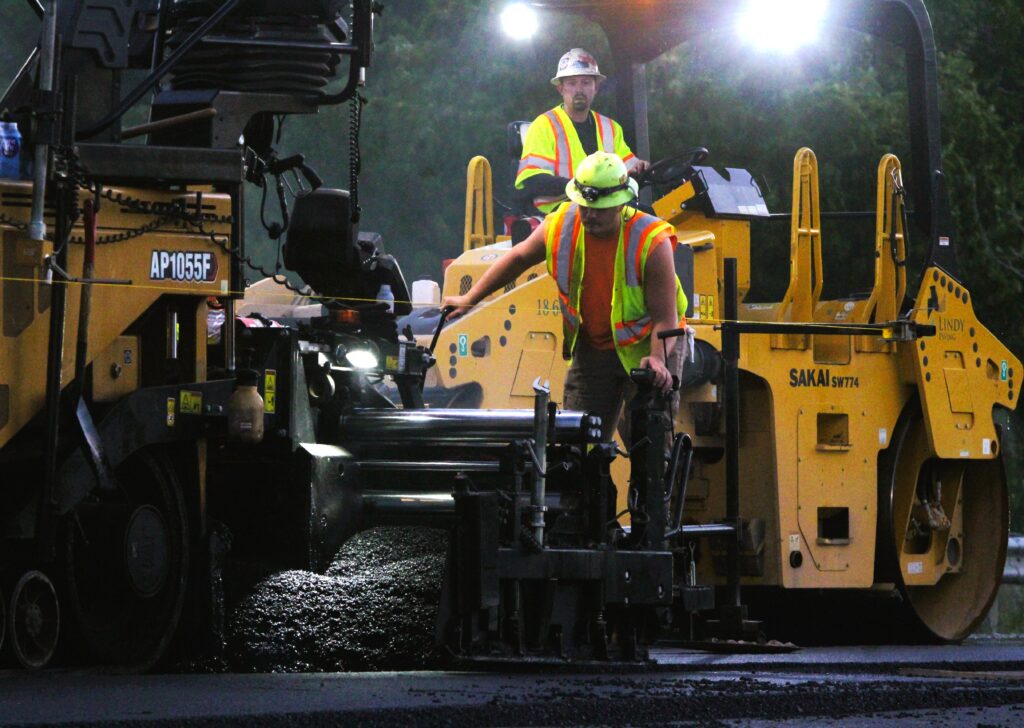
The improvements have required a series of separate projects and funding packages rather than one award large enough to rebuild the entire corridor.
Osche said Route 228 appeared in regional transportation plans, but some work was scheduled far into the future. Federal discretionary grants offered a way to bring other funding forward.
Earlier BUILD awards provided $20 million in 2018 and $25 million in 2020. Combined with state, regional, county and municipal contributions, those awards helped advance improvements on Freedom Road, at Balls Bend and in the Three Degree Road area, officials said.

The commissioners said those results required local governments to help finance improvements to a state road, along with support from PennDOT and federal officials.
Kelly credited the local partnerships with making the applications possible.
“It’s the back home people who make it work,” he said.
Another trip to Washington

Gordon said the application advanced through federal review but did not receive an award. According to Gordon, federal officials explained that the available funding had run out.
The county did not receive a rejection letter, Gordon said; officials learned the project was not among the awards announced.
Kelly and Gordon traveled to Washington on Oct. 15 and met with the chief of staff to U.S. Transportation Secretary Sean Duffy to discuss alternatives.
Officials said that discussion pointed them toward BUILD, the program used successfully for earlier corridor improvements.
They are considering two applications, potentially seeking $25 million each. According to Kelly and Gordon, Duffy’s chief of staff advised that the county could submit both applications, or submit one while a partner such as PennDOT or a municipality submitted the other.
Who would apply and how the work would be divided remain undecided. Officials said existing research and documentation from the INFRA application could help prepare the new requests.
Federal assistance with that process does not guarantee either award.
State commitments need clarification
The INFRA application also included a proposed package of state, regional and county funding.
Its funding summary identified $25 million in PennDOT discretionary state capital, approximately $15.2 million in existing state transportation funding to be moved forward, $10.7 million from Butler County and $5 million through the Southwestern Pennsylvania Commission.
PennDOT’s June 29 letter expressly conditioned its $25 million commitment on an INFRA award. SPC’s letter also depended on that award and additional agency approval.
More recently, Transportation Secretary Mike Carroll discussed PennDOT’s support at an Oct. 14 policy roundtable hosted by state Rep. Brandon Dukes.
A release issued for the event said PennDOT would cover more than half of the approximately $102 million construction cost and fund the remainder if the county received a significant federal infrastructure grant.
The 228 Times has sought clarification from PennDOT and Dukes’ office about how that announcement relates to the earlier funding package and which commitments would remain available under an alternative grant strategy.
Those answers will help establish how much money must still be assembled before construction can begin.
For now, design and other preconstruction work continue while county officials prepare to try again.
Geyer’s declaration reflects the urgency of a project she has watched since childhood. Delivering on a 2027 construction start will depend on turning that determination into grant awards and a completed financing package.
Coming next: The 228 Times examines what the revised funding strategy means for the remaining Route 228 work, the state’s commitments and the construction timetable.