

As winter approaches, a tire-pressure warning light, an engine slow to turn over or wiper blades that leave streaks across the windshield can signal that a vehicle needs attention.


For Cindy and Don Dimond of Dimond Automotive, preparing for cold weather begins with a few basic checks rather than an automatic list of repairs.
“First and foremost, tires,” Don said. “Gotta have good tires.”
Batteries follow closely behind. A vehicle that starts without trouble in milder weather may reveal a weak battery when temperatures drop, making a test before winter a useful precaution.
With winter approaching, the Dimonds encourage drivers to address those questions now, before snow and freezing temperatures make an existing problem harder to ignore.
Start where the rubber meets the road

Don said drivers should understand that summer and winter tires respond differently to cold temperatures. Winter tires use a rubber compound that remains more flexible in the cold, helping them maintain grip.
Tire pressure also deserves attention as temperatures fall. The Dimonds said they regularly see tire-pressure warning lights come on during the seasonal change.
Drivers can find their vehicle’s recommended tire pressure on the placard inside the driver’s door opening, they said.
And having all-wheel drive does not eliminate the need to check tire condition or prepare for slippery roads.
“All-wheel drive doesn’t help you stop,” Don said.
The Dimonds cautioned that the confidence drivers feel when accelerating in an all-wheel-drive vehicle can lead them to overlook the importance of their tires.
Test the battery before it leaves you stranded

“You almost have to have it tested,” he said. “Put a load test on it and see what the state of health is.”
That check can help drivers identify a concern before they find themselves unable to start their vehicle on a cold morning.
The Dimonds said drivers are welcome to stop at the shop for a free battery test. They also offered to check coolant protection and look at tires for people with questions about winter readiness.
Make sure you can see — and stay warm
Winter preparation also means checking the equipment drivers depend on once they are underway.

Coolant should be checked for adequate freeze protection, along with oil and other fluid levels. Drivers should also test the heater and defroster before they need them during bad weather.
A small coolant leak deserves attention, too. Don said a cooling-system pressure test can help identify a seep that could become a larger problem.
For drivers watching their budgets, the Dimonds suggested beginning with basic checks: wiper blades, coolant protection and battery condition, while making sure tires are ready for winter.
They also recommend carrying a blanket and a roadside emergency kit. A portable jump pack can be another useful item.
One shortcut they advise against: pouring hot water on a frozen windshield, which they warned can crack the glass.
Give the underside some attention

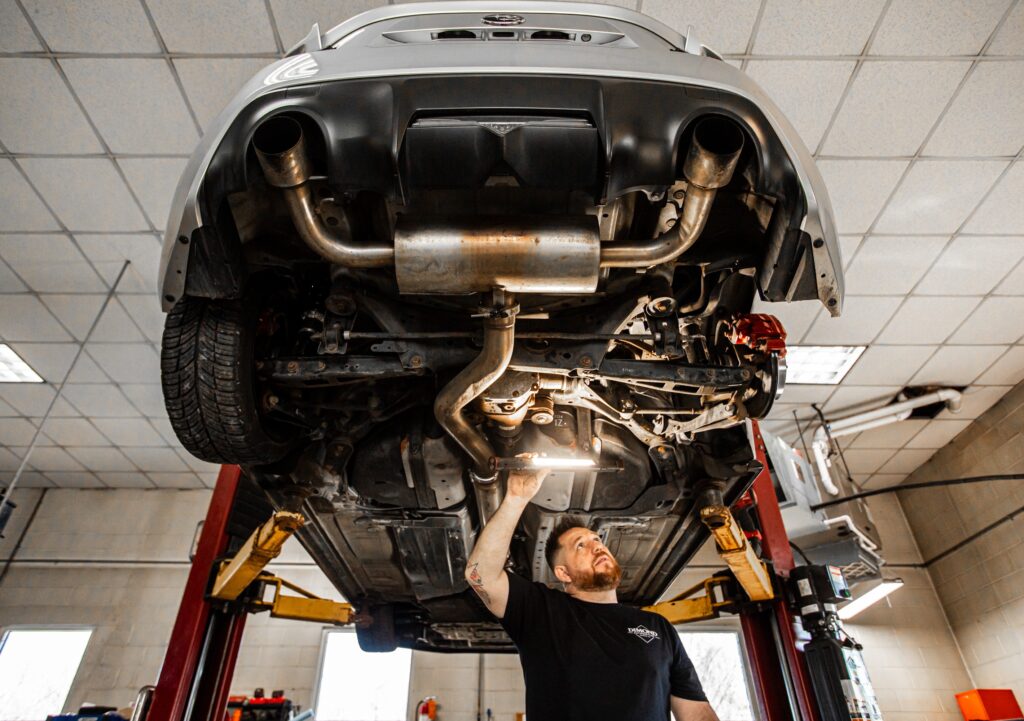
The Dimonds recommend washing vehicles throughout the season when possible, including using a car wash that sprays the undercarriage.
“Salt just corrodes everything,” Don exlained.
Understand what your vehicle needs
For the Dimonds, a seasonal inspection should lead to a conversation about the individual vehicle — its condition, maintenance history and which concerns need attention first.
“It’s hard to get a rubber stamp for every vehicle,” Don said. “We evaluate every single car for what you need, don’t need, what can wait, what’s immediate.”
Cindy said helping customers understand those recommendations is central to the shop’s approach. They want drivers to be able to speak with Don about what he finds and why a repair or service is being recommended.
She described it as “the technician communication” and “the small shop, hometown feel.”
Asked what three things readers should do after reading their advice, the answer was straightforward:
“Check your wiper blades, check your battery, check your tires.”
Dimond Automotive is a sponsor of The 228 Times, helping make neighborhood news available without paywalls or subscriptions.