
As discussions continue around a possible merger between Mars Borough and Adams Township, many residents are asking the same question:
How would this actually work?
At a recent public meeting, representatives from the Pennsylvania Department of Community and Economic Development (DCED) walked through the legal process, timeline, and what voters can expect if the proposal moves forward.
Here’s a clear, step-by-step breakdown of how a merger would happen—and what it would mean for both communities.
 Step 1: The Process Begins with a Joint Agreement
The most likely path forward is through something called a joint agreement, initiated by elected officials in both municipalities.
This agreement is formalized through an ordinance adopted by both Mars Borough and Adams Township—and it must be a single approved document.
The joint agreement must spell out key details, including:
- The name of the new municipality
- Its boundaries and classification
- How the new government will be structured
- The number of elected officials
- A plan for combining assets, debts, and services
- A uniform tax system across the new municipality
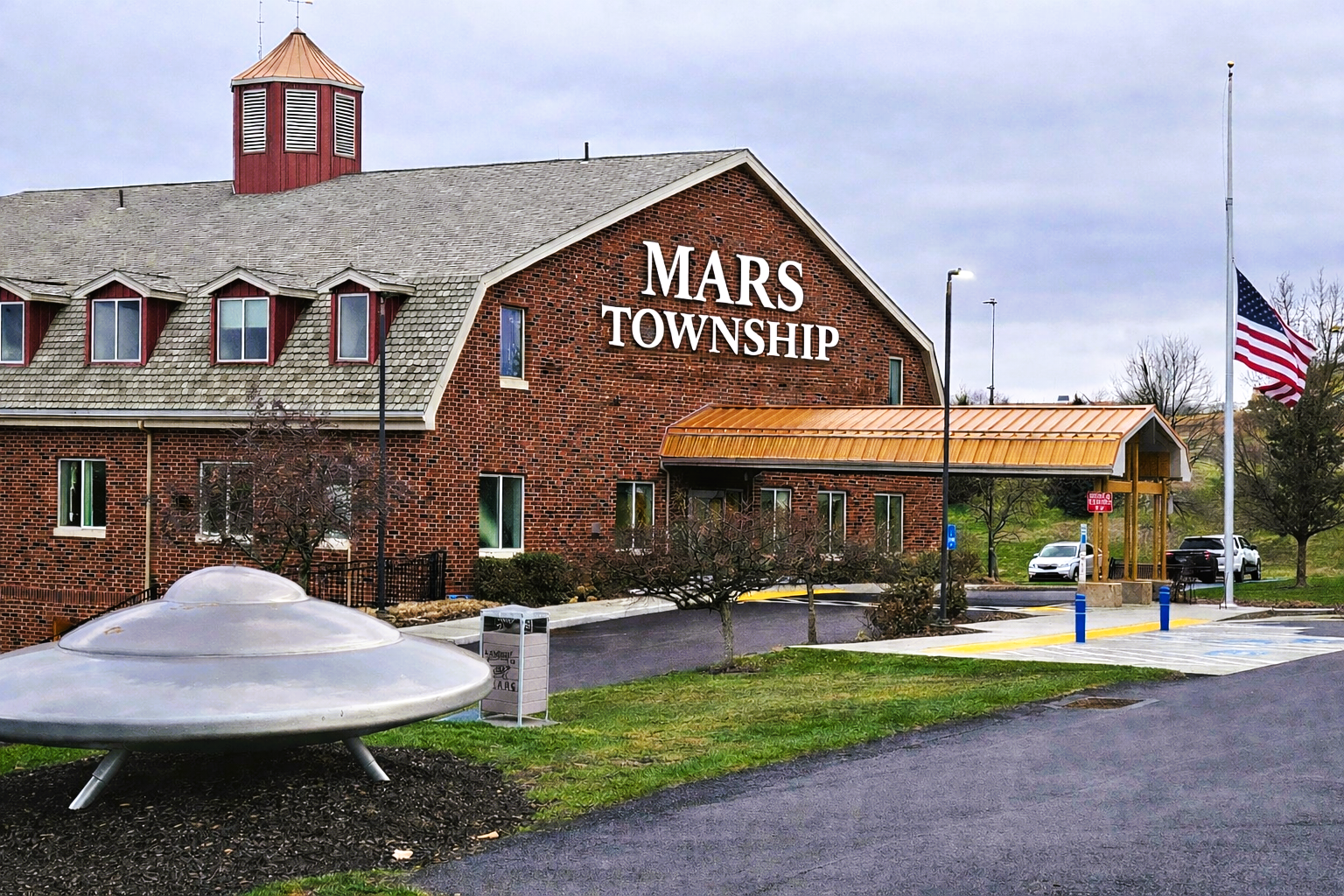
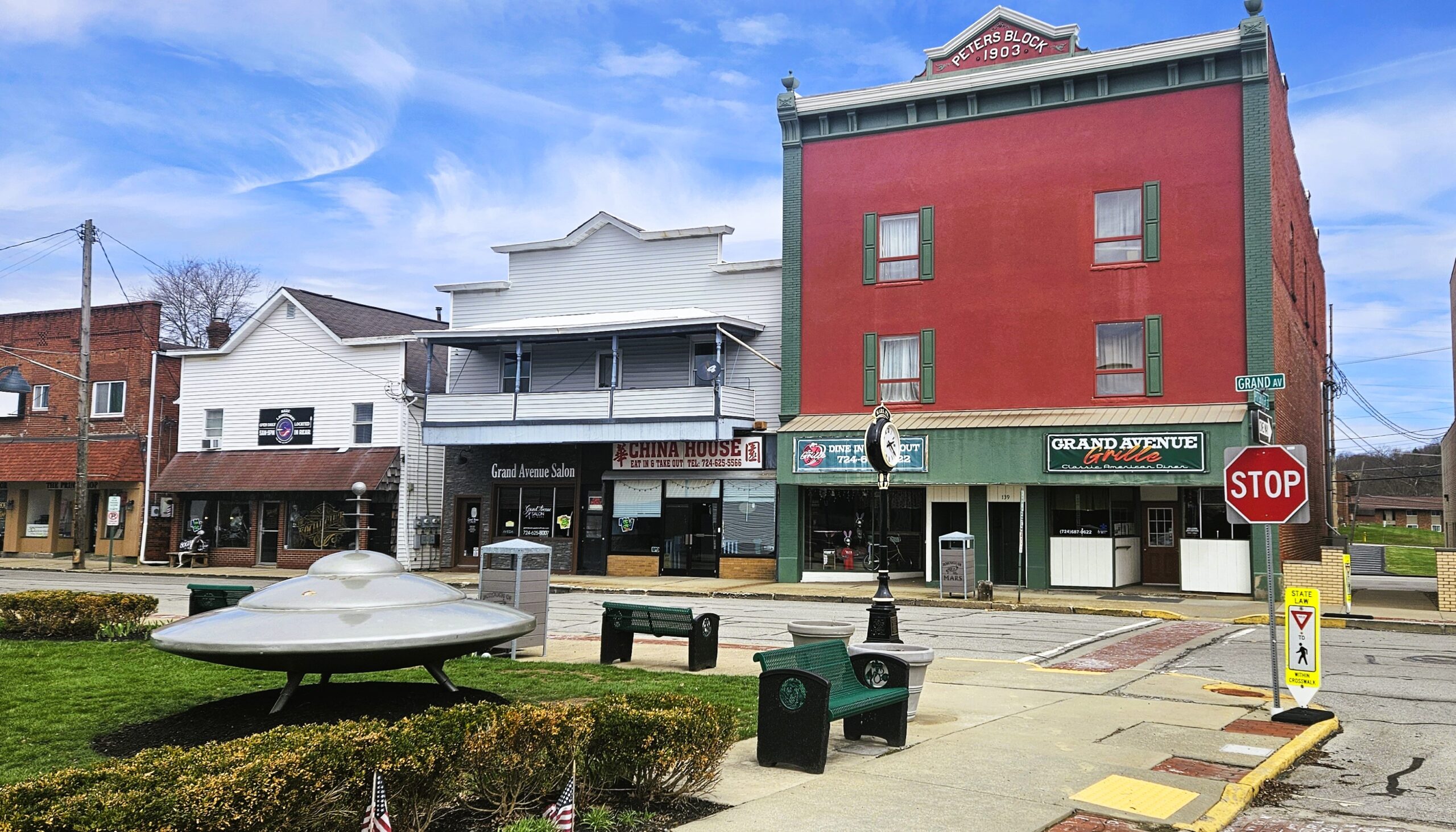
In this case, current discussions center on Mars Borough merging into Adams Township, with the possibility of renaming it “Mars Township.”
Step 2: The Question Goes to Voters
Once the joint agreement is finalized, both municipalities must vote to place the question on the ballot.
There are strict deadlines:
- The ballot question must be submitted no later than 13 weeks before the election
- If approved locally, it would appear on the November General Election ballot
Voters in both Mars and Adams would see the same question, similar to this:
Shall the Borough of Mars be merged into the Township of Adams… effective January 1, 2028?
What the Ballot Question Could Look Like
Voters in both municipalities would see the same question on the ballot. Based on current discussions, it could read:
Shall the Borough of Mars, a Pennsylvania municipality organized under the Borough Code, be merged into the Township of Adams, a Pennsylvania Township of the Second Class, and with the Township being renamed Mars Township, a Pennsylvania Township of the Second Class, effective January 1, 2028?
Step 3: Both Communities Must Approve It
For the merger to move forward, it must pass in both municipalities—not just one.
- A simple majority vote is required in Mars
- A simple majority vote is required in Adams
If it fails in either community, the merger does not happen.
And importantly:
- The same question cannot be placed on the ballot again for five years
Step 4: If Approved, the Transition Period Begins
If voters in both communities approve the merger, it does not happen immediately.
Instead:
- A future effective date is set in the joint agreement
- That date can be up to four years after voter approval
For example, current discussions suggest a possible start date of January 1, 2028.
Until that date:
- Mars Borough and Adams Township continue operating as they currently do
- Local governments remain in place during the transition
 Step 5: The Municipalities Become One
Once the effective date arrives:
- Mars Borough would cease to exist as a separate municipality
- Adams Township would become the surviving municipality
- All services, assets, and responsibilities would be combined
This includes:
- Property, buildings, and infrastructure
- Contracts and agreements
- Debt and liabilities
A single tax structure would apply across the new municipality
Step 6: Final Integration and Cleanup
After the merger takes effect:
- The new municipality must standardize its ordinances within two years
- Departments, services, and operations are fully integrated
- Long-term planning and efficiencies begin to take shape
The entire transition—from vote to full integration—can take several years.
A Process Driven by Voters
One point DCED officials emphasized throughout the meeting:
This process is ultimately decided by the voters.
Elected officials can propose the merger and place it on the ballot—but residents in both communities will make the final decision.
Why This Matters
Municipal mergers have historically been rare in Pennsylvania, but they are becoming more common as communities look for ways to:
- Share services
- Reduce costs
- Improve efficiency
Whether or not this merger moves forward, understanding the process helps residents make an informed decision when—and if—the question reaches the ballot.