


When Stick City Brewing Company opened its doors in Mars in early 2018, the goal was never simply to make beer. From the start, the Salkeld family set out to build a business grounded in craftsmanship, environmental responsibility, and long-term sustainability — both for the company and the community it serves.
Located in Southern Butler County, Stick City operates as both a manufacturing brewery and a neighborhood gathering place. The business produces approximately 300 gallons of beer per batch, with ales typically taking three to four weeks from brew day to glass and lagers requiring up to ten weeks. The brewery focuses on classic beer styles and limits production to maintain consistency and quality.
“Our philosophy is simple,” the family explained. “We focus on process and ingredients — water, grain, hops, and yeast — and we don’t try to overcomplicate it.”
That attention to detail is driven in large part by the technical background of the team. Founder Ron Salkeld spent decades as a director of quality in the manufacturing sector, while son Nick Salkeld brings a mechanical engineering background, professional engineering license, and experience from Westinghouse and the natural gas industry. Those skills translate directly into brewing operations, documentation, and quality control.
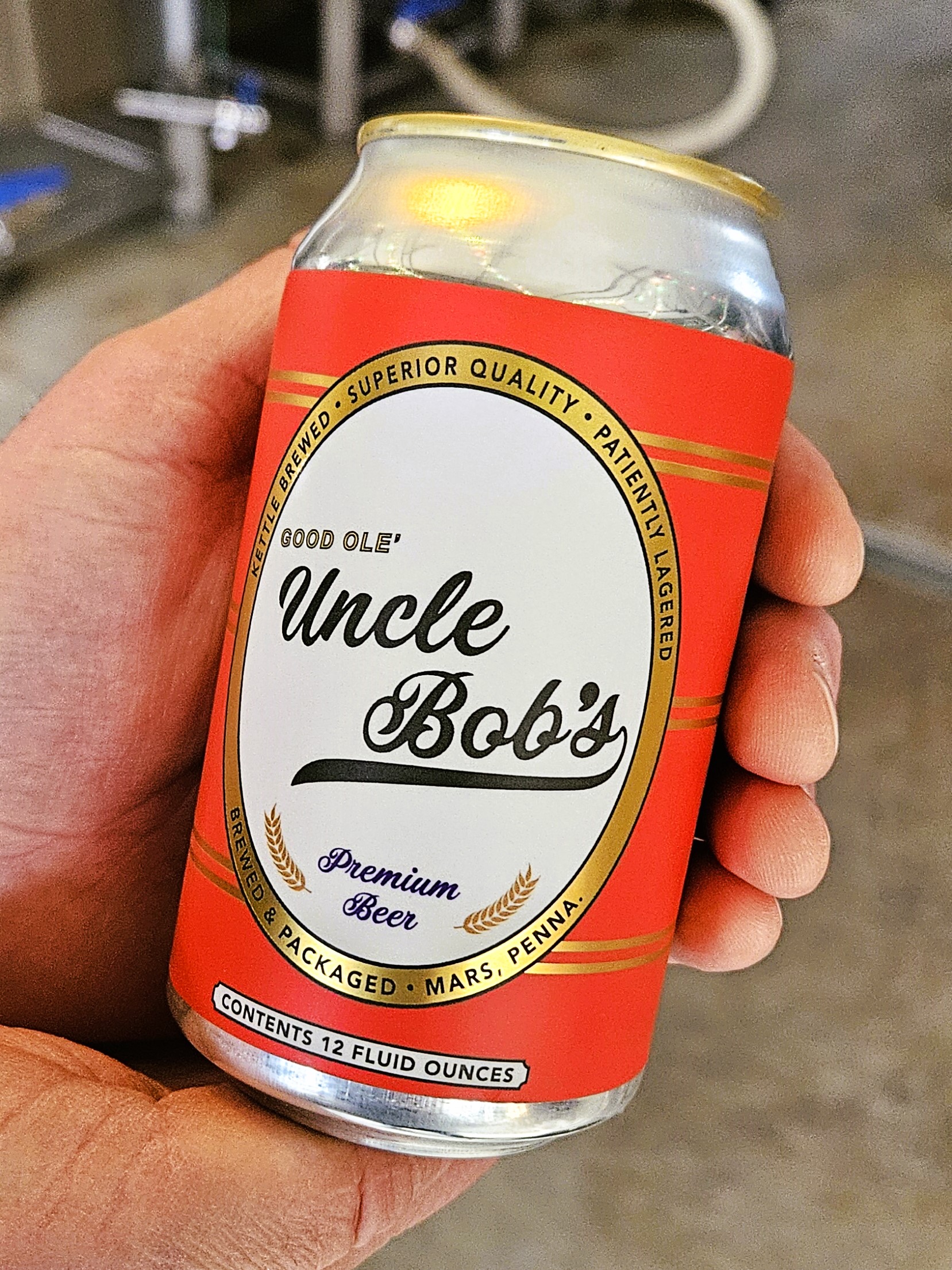 Nick is currently responsible for brewing every batch produced at Stick City — a unique approach that ensures consistency but also underscores the hands-on nature of the business.
“We’re small by design,” the family said. “That allows us to maintain control over quality and stay true to what we set out to do.”
The brewery’s path to opening required more than brewing expertise. Construction and build-out began in late 2017, with the family serving as its own general contractor. Stick City officially opened to the public in the spring of 2018 with a lineup of five beers.
Like many small businesses, Stick City faced its greatest challenge during the COVID-19 pandemic. The company was able to adapt by canning beer for off-site consumption, allowing operations to continue when on-premise service was restricted. Rising ingredient costs in the years since have presented additional pressure, requiring careful pricing and supplier relationships.
Despite those challenges, the brewery has remained committed to its broader mission. Stick City donates one percent of its sales to conservation and environmental organizations, including the Western Pennsylvania Conservancy, Glade Run Lake Conservancy, and the Pennsylvania Parks and Forests Foundation. In addition to financial support, the business regularly contributes volunteer labor to conservation projects.
That commitment reflects the company’s vision of leveraging business success for community benefit — not just through donations, but through action.
“We want to generate inclusive communal pride through the enjoyment of beer,” the family said. “This is about being responsible community members and creating a place where people can connect.”
Today, Stick City draws a diverse mix of customers from across the region and beyond, including visitors drawn by its traditional lager pours and Czech-style side-pull faucets — a rarity in Pennsylvania. But the owners say their greatest success is not measured in volume alone.
“It’s seeing people meet their neighbors here,” they said. “Relationships start over a glass of beer, and that carries out into the community.”
As Stick City looks to the future, the focus remains steady rather than expansive. The goal is longevity — building a business that can adapt, evolve, and remain rooted in Mars for generations.
“We want Stick City to be here for 100 years,” they said. “Whatever form that takes, the values will stay the same.”