

With all four lanes of Route 228 now open between Route 8 and Mars-Valencia Road, the wider highway raises a new question: Will traffic speeds increase—and will police need to change how they patrol one of Butler County’s busiest highways?
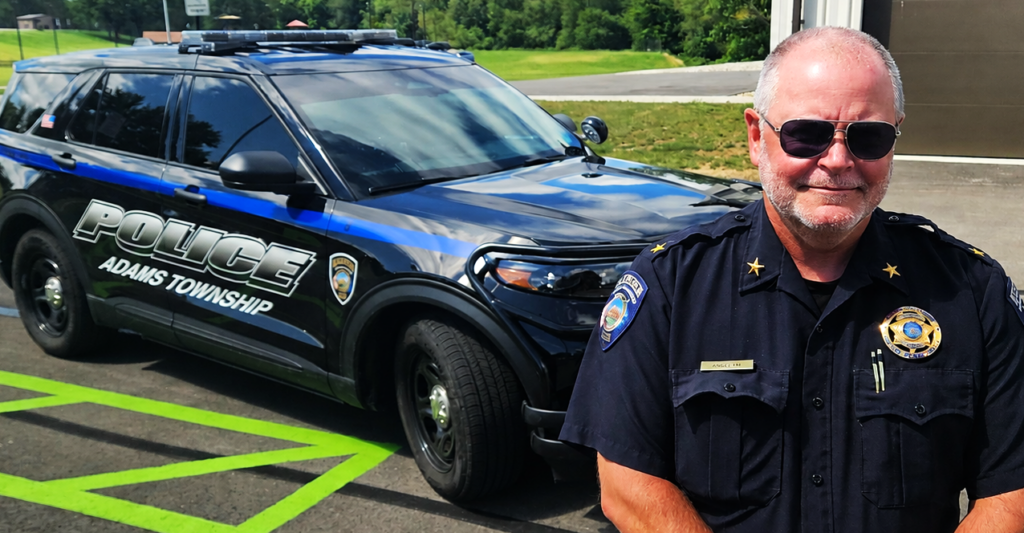
According to Adams Township Police Chief Shawn Anglum, it is simply too early to tell.
“We’ll adjust as we learn how it’s going,” Anglum said during an interview with The 228 Times. “If we get more complaints, more crashes, or we see an uptick in speeding, we’ll be more visible.”


While some residents have expressed concerns that the smoother, wider roadway could encourage speeding, Anglum said the department’s overall policing strategy will remain largely the same.
“It doesn’t change anything,” he said. “It’s smoother transportation for all the vehicles coming through Adams Township. It’s easier for us to get across the lanes and quicker to get to our emergency calls.”
That improved mobility, he explained, may actually be one of the biggest public safety benefits of the expanded highway.

Increased Visibility
Although no major strategy changes are planned, Anglum acknowledged that smooth asphalt often tempts drivers—noting that fresh pavement on any road can create a “raceway” mindset, though he emphasized Route 228 has not become one. Instead, Adams Township officers plan to stay ahead of potential speeding through high-visibility patrols and targeted enforcement blitzes during peak travel hours.

“If we’re visible, it will deter speeding,” Anglum said.
Middlesex Township police are taking a similar approach on their approximately 2.5-mile section of Route 228 west of Route 8, but Chief Justin Bouch said speed isn’t the only behavior officers will be watching.
Bouch said officers are also monitoring how motorists navigate the redesigned intersections, turning movements and jughandles along the corridor. Middlesex police have already encountered problems with drivers making U-turns at intersections and have been issuing warnings.

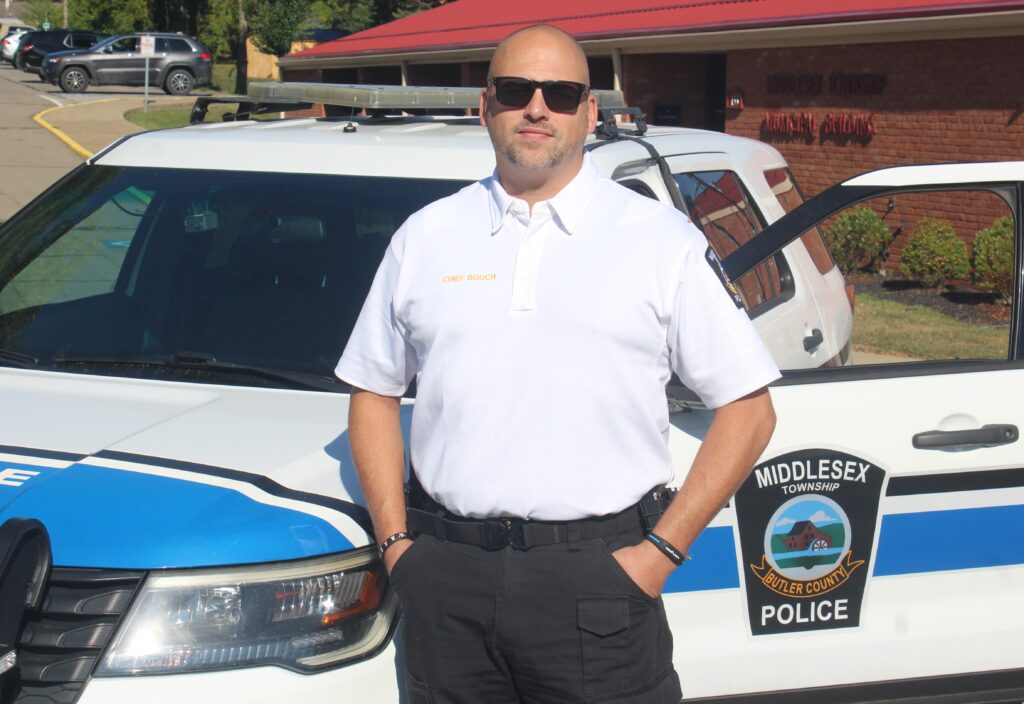
“There’s quite a few things. It’s not just speed,” Bouch said. “It’s something that we are paying a little bit more attention to.”
Chief Anglum’s observation is backed by broader traffic research. According to Federal Highway Administration (FHWA) data on road design and operating speeds, driver speeds consistently rise as lane widths and road surfaces improve, increasing by roughly 1 mph for every additional foot of travel lane width. Furthermore, National Highway Traffic Safety Administration (NHTSA) data shows that nearly 88% of all speeding-related traffic fatalities nationwide occur on non-Interstate roadways like state corridors, making proactive enforcement on arterial routes a primary focus for local departments.

Whether additional enforcement becomes necessary will depend on what officers observe over the coming weeks. Police plan to review crash reports, speeding complaints, and traffic enforcement data regularly to determine whether any adjustments are needed.
Too Early to Measure
Because the four-lane configuration has only recently opened, Anglum said there isn’t enough information yet to determine whether crashes or speeding have increased.
“It’s hard to tell with construction going on,” he said, noting that accident numbers have not shown any clear increase so far.
Bouch also pointed to some design changes he believes could improve safety. The project eliminated left turns from Davis Road and Orchard Lane onto Route 228, a change he believes could reduce potential conflicts with faster-moving traffic.
“I think that’ll help eliminate some accidents and keep it safer there,” Bouch said, cautioning that there isn’t enough data yet to know whether that will prove true.
The chief added that additional traffic naturally increases the potential for crashes.
“Anytime you put more cars on a road, you increase more chances of accidents,” he said. “That’s all to be determined.”
Police in Adams and Middlesex townships say it is too early to determine how the newly completed Route 228 will affect speeding, crashes and traffic patterns.
Benefits Beyond Route 228
Both police chiefs believe the project’s impact could extend beyond Route 228 itself.
During years of construction, motorists frequently diverted onto neighborhood roads to avoid delays. Anglum said roads such as Myoma Road and Valencia Road became alternative routes for drivers trying to bypass construction.
Bouch said Middlesex experienced similar problems, including speeding complaints on township back roads that may have been related to motorists avoiding Route 228.
“Hopefully that alleviates some of that on the back roads,” Bouch said, while adding that he doesn’t want to see the newly improved Route 228 “turn into a raceway” either.
With traffic now flowing more freely on Route 228, both departments will be watching whether traffic—and some of the accompanying complaints—shift back to the highway.
What Residents Should Do
Residents who observe reckless driving are encouraged to call 911 rather than the police department’s administrative office, Anglum explained.
“That’s the quickest way to get the information to us,” Anglum said. “Don’t call the office. Don’t call the police station, call 911.”
Anglum said reports from motorists have led to DUI arrests in the past. In some cases, officers were able to get into the area, locate the reported vehicle and observe the driver’s behavior themselves.
“We’ve had DUIs that ended up being arrests,” Anglum said. “They were called in for reckless driving, ended up being drinking and driving, and we were able to be in the area to witness.”
Because Route 228 crosses several municipal jurisdictions, Anglum said a vehicle reported in one community may be in another by the time police respond. Calls received in Cranberry Township, for example, may involve vehicles that have entered Adams Township by the time officers locate them, or vice versa.