
Thousands live just over the hill from this farm. Thousands more drive past it every day—and never realize it’s there. Nash Lawrence of Mars leases about 20 acres of farmland tucked behind a residential development in Adams Township, just off the Route 228 corridor.
There are no roadside signs. No storefront. No traffic.
But just beyond the rooftops and cul-de-sacs, Lawrence is building something that feels both old-fashioned and entirely new.
A working farm.
And in his hands—literally—is where the story begins.
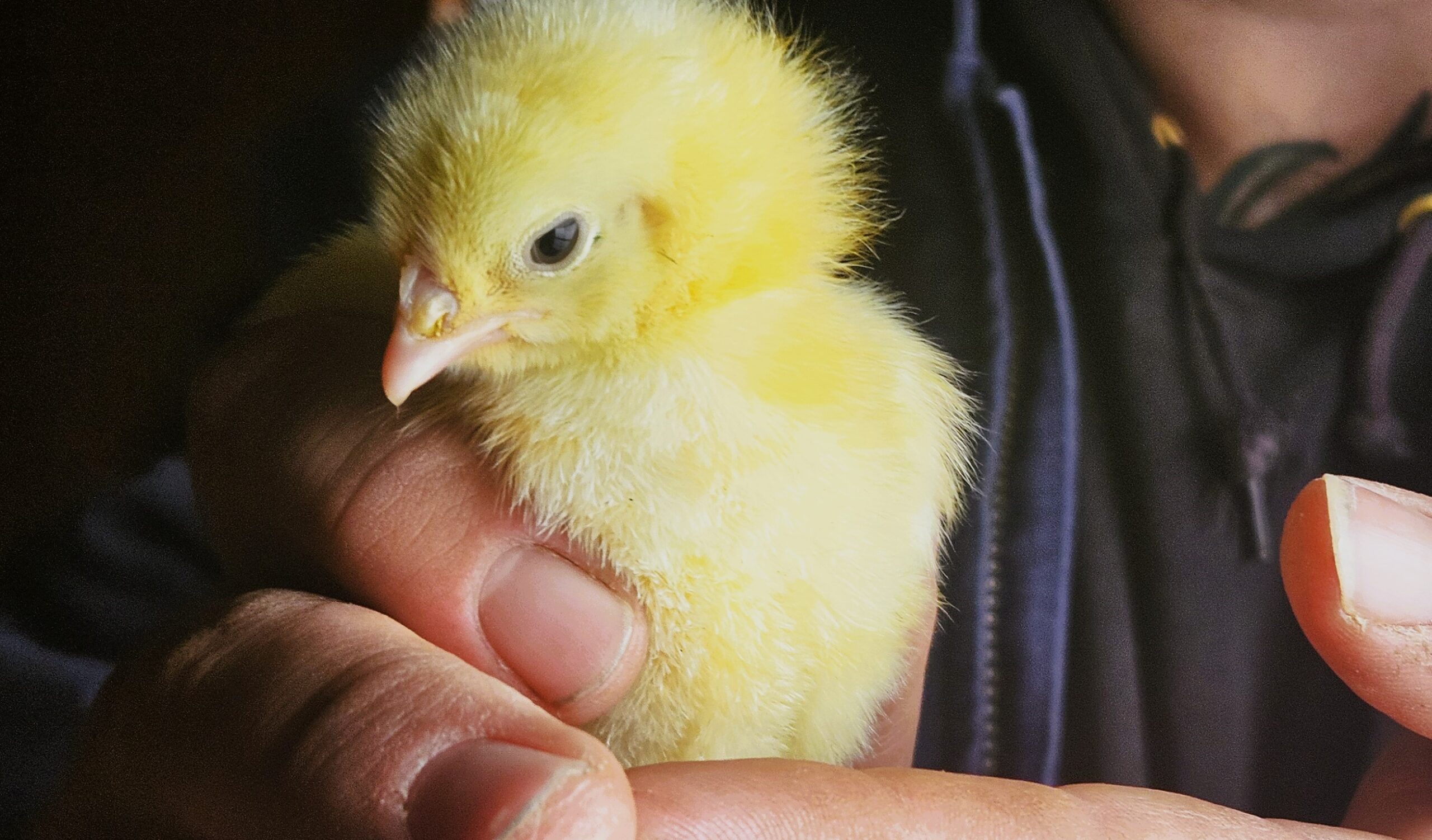
Cradled gently in his palm is a newly hatched chick, no bigger than a baseball—soft, yellow and incredibly fragile. Lawrence, a large man in a worn hoodie and knit cap, his full mustache and faint smile hinting at a quiet tenderness, looks down at it with a focus that tells you everything you need to know about the kind of farmer he is.
“This is wild,” he says softly, almost to himself.
From Mars to the Road — and Back Again
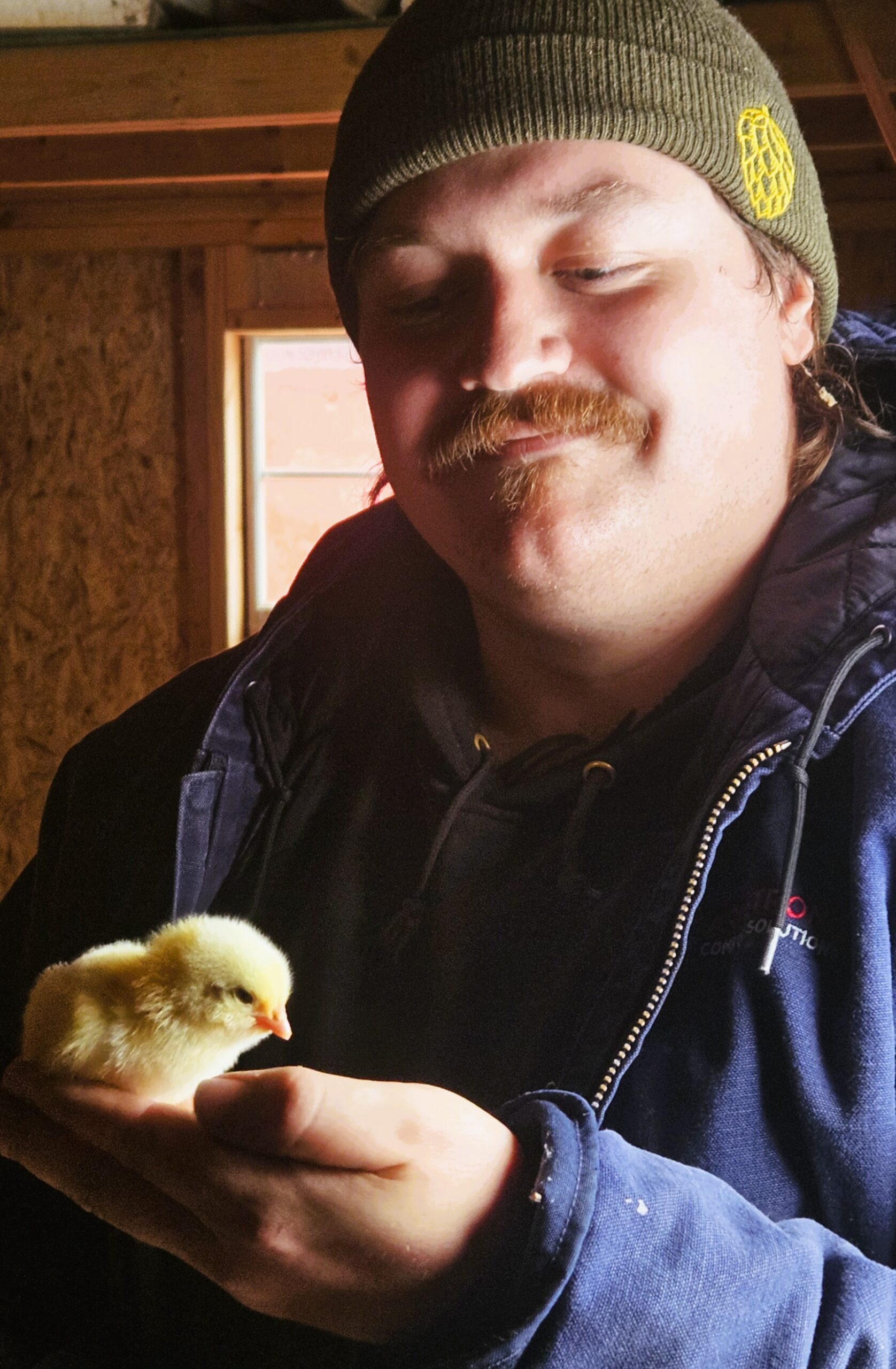 Lawrence isn’t a newcomer to the area. He’s a Mars native—third generation local—with roots that run through the community, even if farming wasn’t always the family business.
But his path wasn’t a straight line.
After high school, he left.
He worked as a camp counselor in New York. Ran dog sled tours in Minnesota. Helped deliver hundreds of lambs on a sheep farm in Vermont. Managed livestock at a nonprofit farm near Philadelphia.
“I kind of got paid to learn how to do it,” he said.
Along the way, he picked up something more valuable than experience: a vision.
Farming, But Not the Way You Think
What Lawrence is doing at Pittsburgh Pastures, the farm he launched in 2023, isn’t traditional farming—and it’s definitely not industrial.
It’s called regenerative farming.
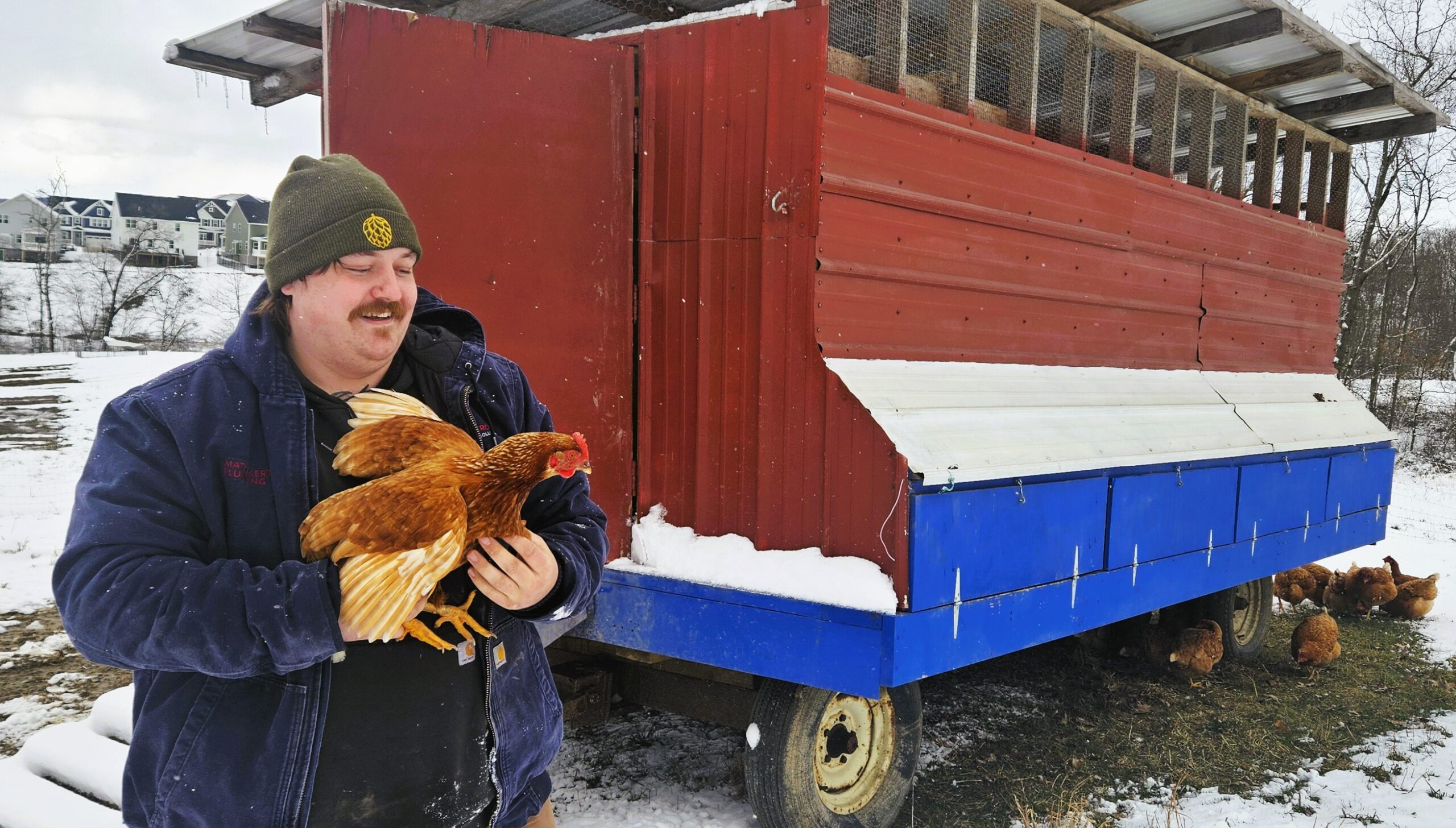
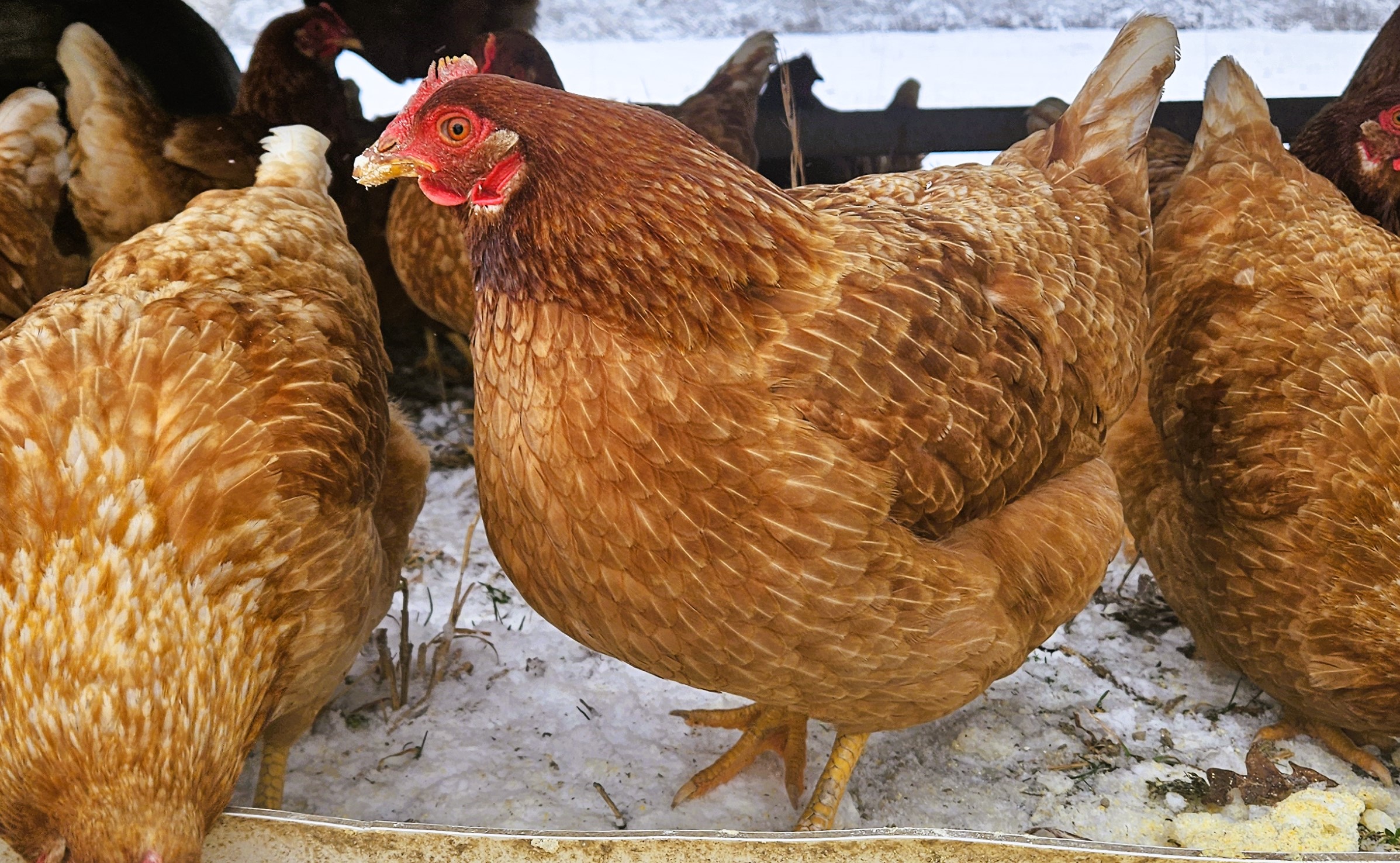
Instead of keeping animals confined, his chickens and ducks are moved across pasture daily—fresh grass, fresh air, fresh ground.
“They’re not standing in the same place all the time,” he explained. “You’re putting more back into the land than you’re taking.”
The birds forage naturally—eating grass, insects, even the occasional mouse—while being supplemented with non-GMO feed sourced from a local mill in West Sunbury.
It’s a system designed to work with nature, not against it.
A Farm Hidden in Plain Sight
The setting is part of what makes the story so compelling.
Lawrence leases about 20 acres of farmland tucked behind a residential development—close enough to suburban life that most people drive past it every day without realizing it exists.
Back a gravel path and over a rise, the landscape opens up.
Movable chicken coops dot the fields.
Ducks cluster near low ground.
Chickens roam the hills.
It’s quiet. Intentional. Alive.
Building a Business, One Bird at a Time
This isn’t a hobby.
Last year, Lawrence raised:
- About 3,000 meat chickens
- Roughly 500 egg-laying hens
This year, he’s scaling up significantly:
- 4,500 meat birds
- 1,000 laying hens
- 750 ducks
- 250 turkeys
It’s a full-time operation—run largely by one person.
“That’s the hardest part,” he admits. “It’s just a lot. I don’t have any employees.”
From Farm to Market
Instead of selling through grocery stores, Lawrence meets his customers face-to-face.
He sells at farmers markets across the region—from Cranberry to Lawrenceville, Bloomfield to Squirrel Hill—and operates a growing CSA (Community Supported Agriculture) program.
Members pay upfront and receive:
- Monthly egg shares
- Chicken shares
- Or a combination of both
Last year, he had about 120 CSA members.
This year, he expects more.
Why People Are Seeking Out Local Farms
Part of the demand is about quality.
Lawrence says customers can see the difference.
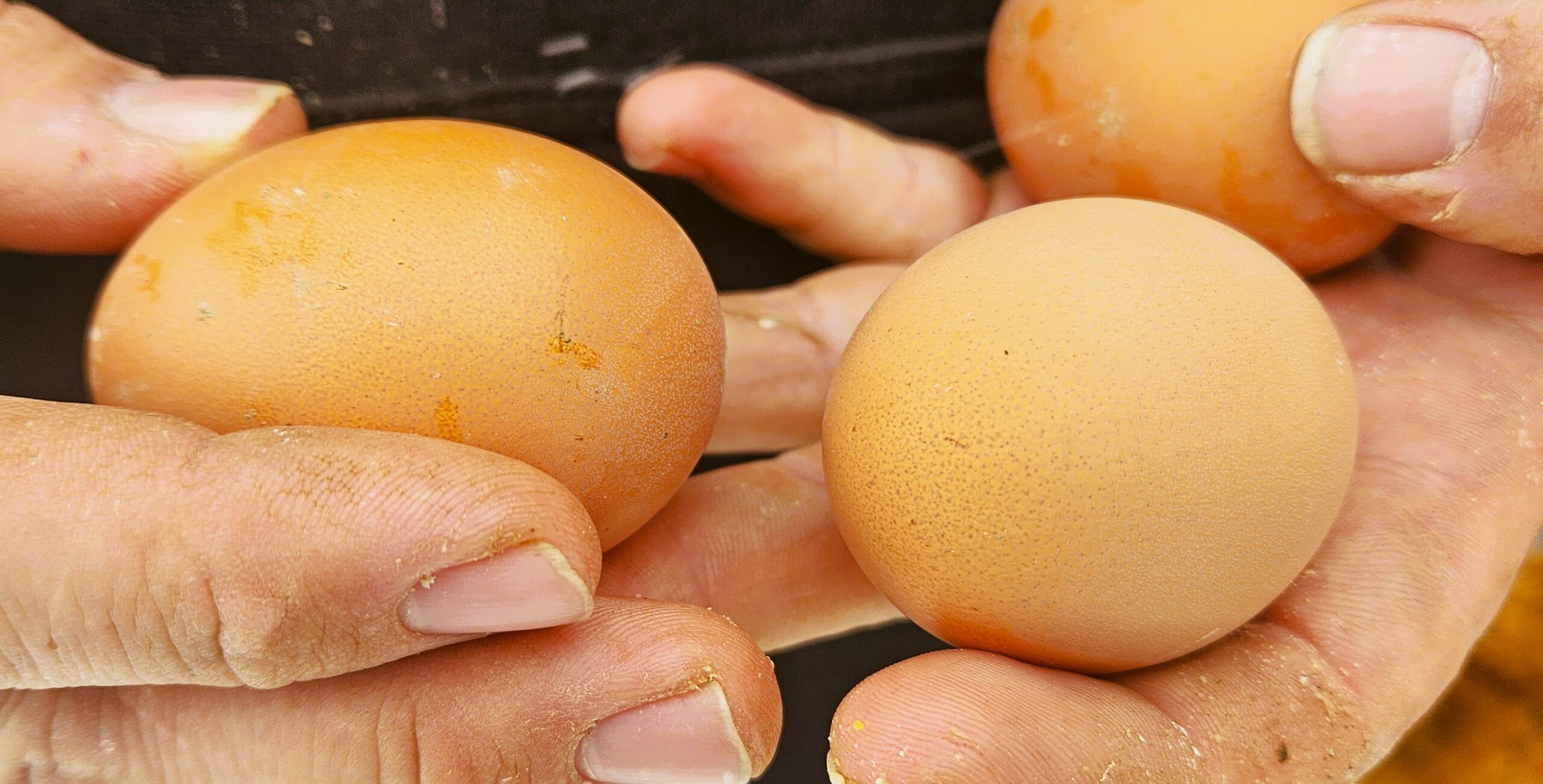
“The yolks are darker. The eggs are firmer,” he explained. “You crack a store egg and it’s watery. Ours hold together.”
But it’s also about something deeper.
People want to know where their food comes from.
They want transparency. Trust. A connection.
“I think people like knowing their farmer,” he said. “There’s a face behind it.”
The Risks No One Sees
For all its simplicity, farming carries real risks.
Weather can slow growth. Predators can strike. Rising costs—from feed to fuel—cut into already tight margins.
And then there’s disease.
“If avian influenza hits, every bird has to be destroyed,” Lawrence said. “And I can’t raise another for a year.”
It’s a reality most consumers never think about.
 Why He Keeps Doing It
Ask Lawrence what keeps him going, and the answer isn’t financial.
It’s the people.
“I love the farmers markets,” he said. “Seeing customers every week. People send me pictures of what they cooked. That’s the best part.”
A Different Kind of Local Story
In a region where development continues to reshape the landscape, Pittsburgh Pastures represents something quieter—but just as important.
A return to local food.
A connection between neighbor and farmer.
A reminder that even in growing suburbs, agriculture hasn’t disappeared. It’s just moved… slightly out of view.
And sometimes, all it takes to find it is a wrong turn down a gravel road—and a farmer holding a tiny chick in his hand.
To learn more visit, PittsburghPastures.com