

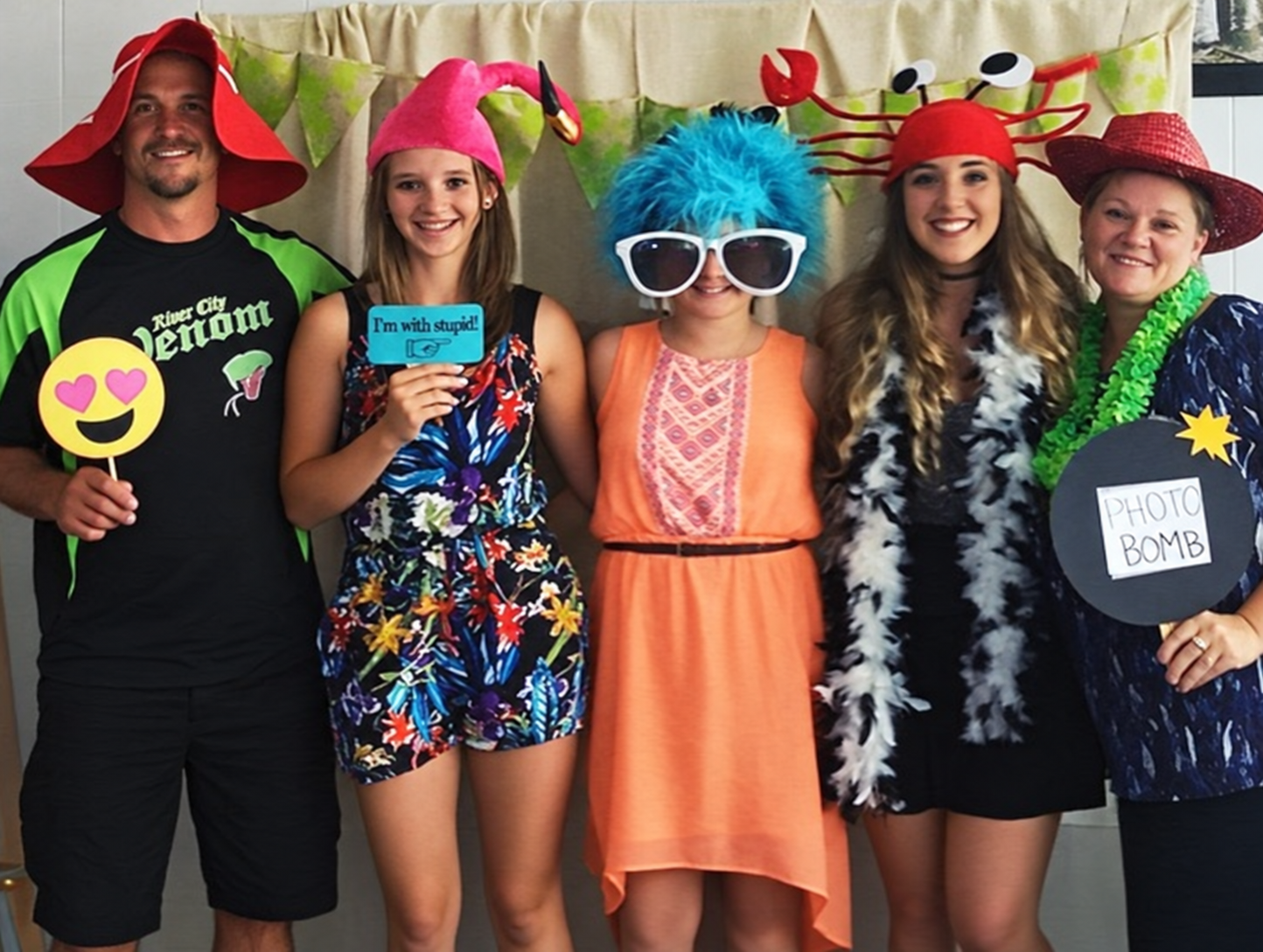
When his players ran the bases, Mike Harris ran beside them.
He was usually faster, too.
Leah Hartzberg remembers how that made everyone push a little harder. Their coach was right there, participating in the work he asked them to do.
“He would always run right next to us and was always way faster than all of us,” she said. “But it made us try to run faster,” she recalled.
For the girls who grew up playing for Harris, it was one of the many ways he showed them they could count on him.
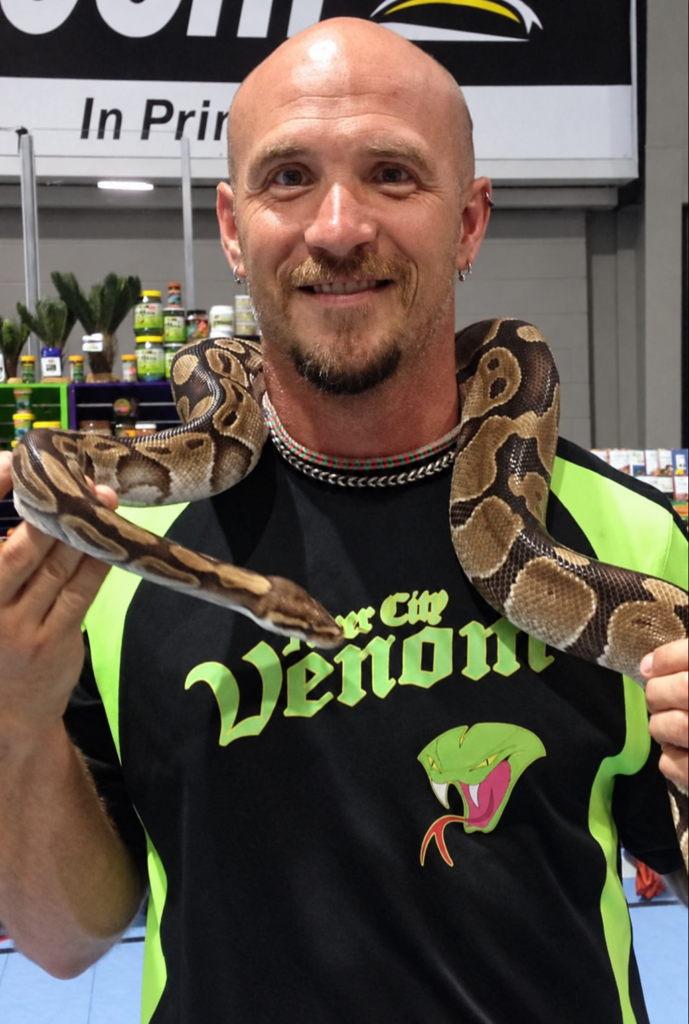
Harris, co-founder of River City Venom softball and an assistant softball coach at Pine-Richland High School, died in an automobile accident shortly before 8 a.m. Tuesday, Oct. 27, in Butler Township, outside Butler. He was 50. He leaves his wife, Holly, and three adult daughters, Dakotah, Kali and Alyssa, along with a community of players, coaches and families struggling to imagine the game without him.
They remember a patient teacher, a friend who always made time and a quiet man whose laugh could fill a room.
For Leah, who began playing for Harris when she was 12, the relationship reached well beyond softball.
“I’ve always viewed him as a second dad to me,” she said.
Her father, Pine-Richland head softball coach Sam Hartzberg, coached alongside Harris in both high school and travel softball. When asked about Harris’ influence on him as a coach, Sam answered first as a friend.
“Honestly,… forget about a coach. He was my best friend.”
They talked, texted or saw each other almost every day. Away from softball, they worked out together. Harris taught him about lifting and technique, offering the same patient help he gave his players.
“He was my best friend, and I am really, really missing him,” Sam said.
Their partnership had become so familiar that Sam described it simply: “It was either Sam and Mike or Mike and Sam. It just depended on who was the head coach.”
Now, he faces something he has never experienced.
“I’ve never coached without Mike.”
Harris approached coaching with a belief that every player deserved time, attention and an opportunity to improve.
Sam remembers him as the first person willing to give someone a chance, including a player who might struggle to find one elsewhere. He taught fundamentals, then adjusted his instruction to the athlete in front of him, particularly when working with pitchers.
Sometimes that meant inventing a drill or building a contraption that left the girls laughing and wondering what he had planned.
Leah remembers early-morning pitching practices, balance beams and unusual exercises designed to improve their mechanics.

“He had all these crazy contraptions that he would have us use, which always got us a good laugh,” she said.
Behind them was a coach who understood pitching and cared enough to keep finding ways to help.
This past high school season, Leah returned to the field as a Pine-Richland coach, joining her father and the man who had helped teach her the game.
Working beside Harris, she began to understand more fully the time and effort he had invested in her. Teaching younger players with him nearby brought back memories of being 12 and learning from him herself.
“I think as a whole, it just really made me appreciate what he had done for us growing up,” she said.
Coaching alongside him during his final high school season is something she will always cherish.
Brian Gillis, a River City Venom board member whose daughter Kenzie played in the organization, saw that same commitment over nearly 12 years of friendship.
The families became close. Gillis coached Harris’ youngest daughter, Alyssa, whom he regards as a second daughter. They shared a family vacation, and Gillis continued helping with Venom after his own daughter had moved on.
To him, those relationships reflected what Harris and his fellow co-founder had hoped to create from the beginning.
They had seen girls come away from other athletic experiences discouraged by pressure and negative coaching. They wanted to build an organization that helped girls regain confidence and enjoy competing.
Gillis said Venom gave athletes an opportunity to play competitive softball while still making room for family, other sports and activities. Some went on to play in college. Others did not. Each deserved a coach committed to helping her improve.
Harris wanted to win. He also understood what an opportunity to play could mean to a girl who feared hers was disappearing.
Gillis recalled a player with a torn ACL who was looking for a team and hoping to return to the field for the coming summer. Other coaches had offered uncertain answers.
Harris welcomed her.
“He really had a special place in his heart for the girls that others didn’t want,” Gillis said.
He helped overlooked athletes believe they could compete. That confidence brought teams together and gave players a reason to work harder for one another and for him.
At the last tournament Harris coached, held during his 50th birthday weekend, his players had a particular goal.
“They wanted to win one for Mike,” Gillis said.
They did.
His competitive nature rarely required a raised voice. Leah remembers a coach who could be intense when the situation called for it, but whose calm manner helped his players respond.
“His calm demeanor, but still … pushing us to be competitive was just perfect for us,” she said.
Gillis admitted that, as someone who could be emotional and loud around the game, he sometimes found Harris’ quiet confidence difficult to understand. Over time, he saw what it gave the girls: a steady person who believed in them.
That generosity extended to the other dugout.
“He would go out of his way to help other girls on other teams that they were about to compete against,” Gillis said.

His support continued after players moved on. He showed up at their college games. He made time when someone wanted to hit or pitch. Away from the field, he helped when a family needed to move into an apartment.
“If you needed anything, the answer was yes,” Sam said.
There was plenty of laughter along the way.
Leah remembers family dinners and trips to Niagara Falls and Cedar Point. She knew just how to make Harris laugh and delighted in doing it.
Gillis remembers the Harris family having some fun with his fear of snakes. While he was caring for their dogs during a vacation, they left a shed snakeskin where he would find it.
He walked in, saw it and wondered where the snake had gone. Only after backing into a corner did he realize he was standing beside its enclosure.
“You know, Mike had a fun-loving spirit,” Gillis said. “Mike had an easygoing spirit.”
He loved animals and hunting, and he enjoyed riding motorcycles. Gillis remembers a man who took pleasure in his days and gave his time freely, trusting that things would work out.
In the days after Harris’ death, Gillis began to understand more fully how many people had depended on that steady presence.
His own daughter’s grief revealed a depth to her relationship with Harris that even Gillis had not fully appreciated. Other players and families were sharing similar feelings.
“They always looked at Mike as the invincible one,” he said.
At the center of that loss are Holly and their daughters. Gillis said Harris loved his girls deeply and was proud of each of them. His family was the most important part of his life.
Now, the families he supported through softball have been finding ways to care for his own.
Gillis said Pine-Richland players brought about two dozen softballs bearing personal messages to the Harris home and arranged them with candles.
The gesture deeply touched the family. To Gillis, it also showed how Harris’ example was continuing through the young people he had coached.
His legacy, Gillis said, lives in players who carry forward “that same compassion, that same love, that same drive to do something for someone else.”
For Gillis, remembering his friend has also meant reconsidering his own priorities. Harris’ willingness to focus on the people around him, rather than become consumed by everyday worries, left him with a lesson he wants to carry into his own life.
“I need to live a little bit more in each moment and take care of those around us,” he said.

In a letter thanking the Pine-Richland softball team for supporting the Harris family, Gillis described their compassion as a reflection of their coach.
“Coach Harris believed in people, in family, in selflessness, and in lifting others up,” Gillis wrote. “His legacy is alive in each of you.”
River City Venom teams will honor Harris by wearing helmet decals featuring his initials, “MH,” framed by wings and a halo in the upcoming season.
Leah will carry the lessons Harris taught her into her own coaching, along with the memories of a man she could turn to whenever she needed him.
“I’m going to miss his laugh. I’m going to miss his smile,” she said. “And I’m just going to miss everything about him.”
She will also remember him running beside his players, making them laugh and making them work a little harder — close enough to show them how, and always in their corner.