
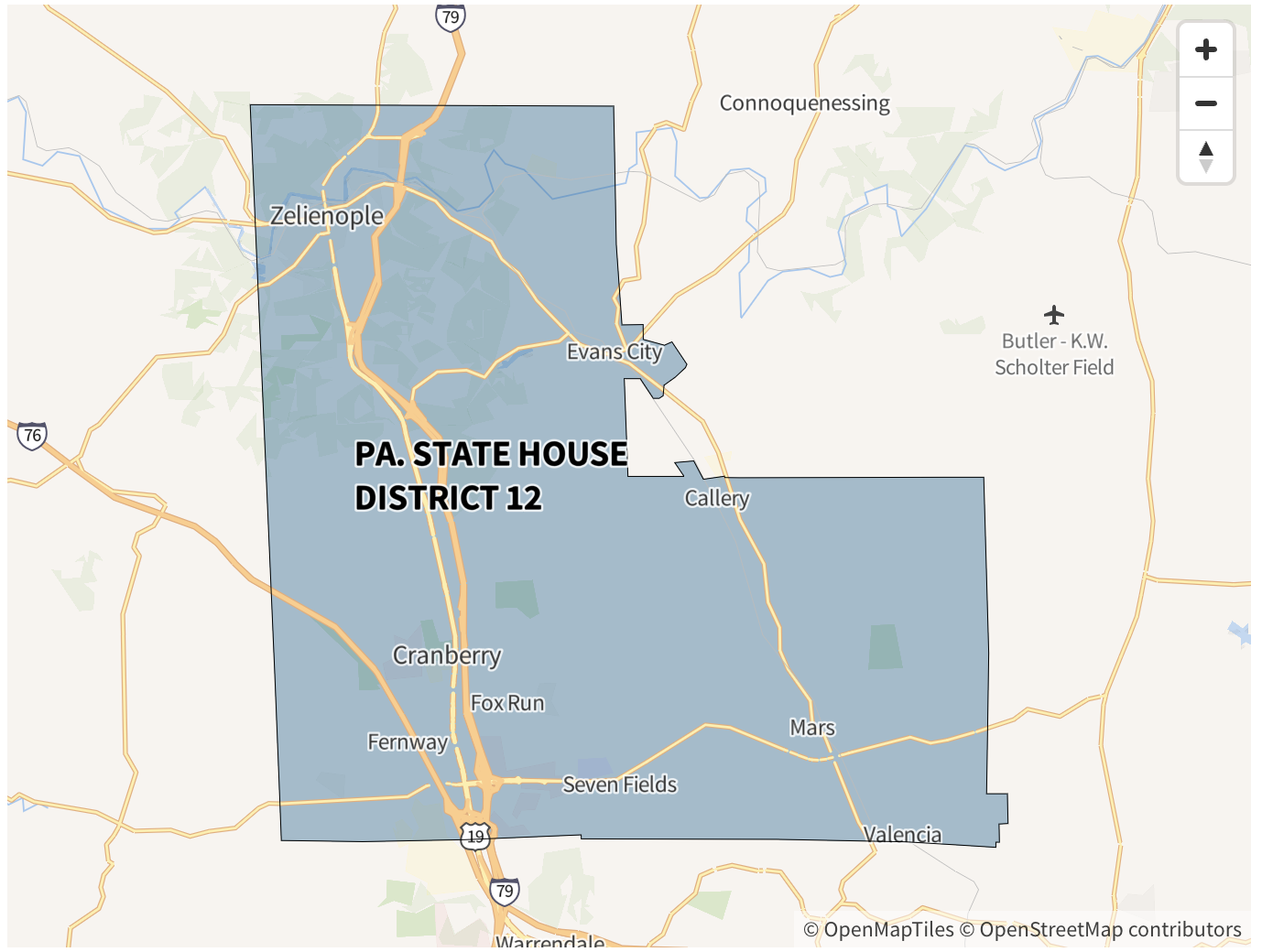
As part of our commitment to informing voters ahead of the November election, The 228 Times is providing both candidates the opportunity to share their positions. The following seven questions are being presented equally to all declared candidates for Pennsylvania’s 12th District. Responses will be published verbatim to ensure fairness and transparency.
- District Priorities
 What are your top three priorities for residents of the 12th District in your first year if elected?
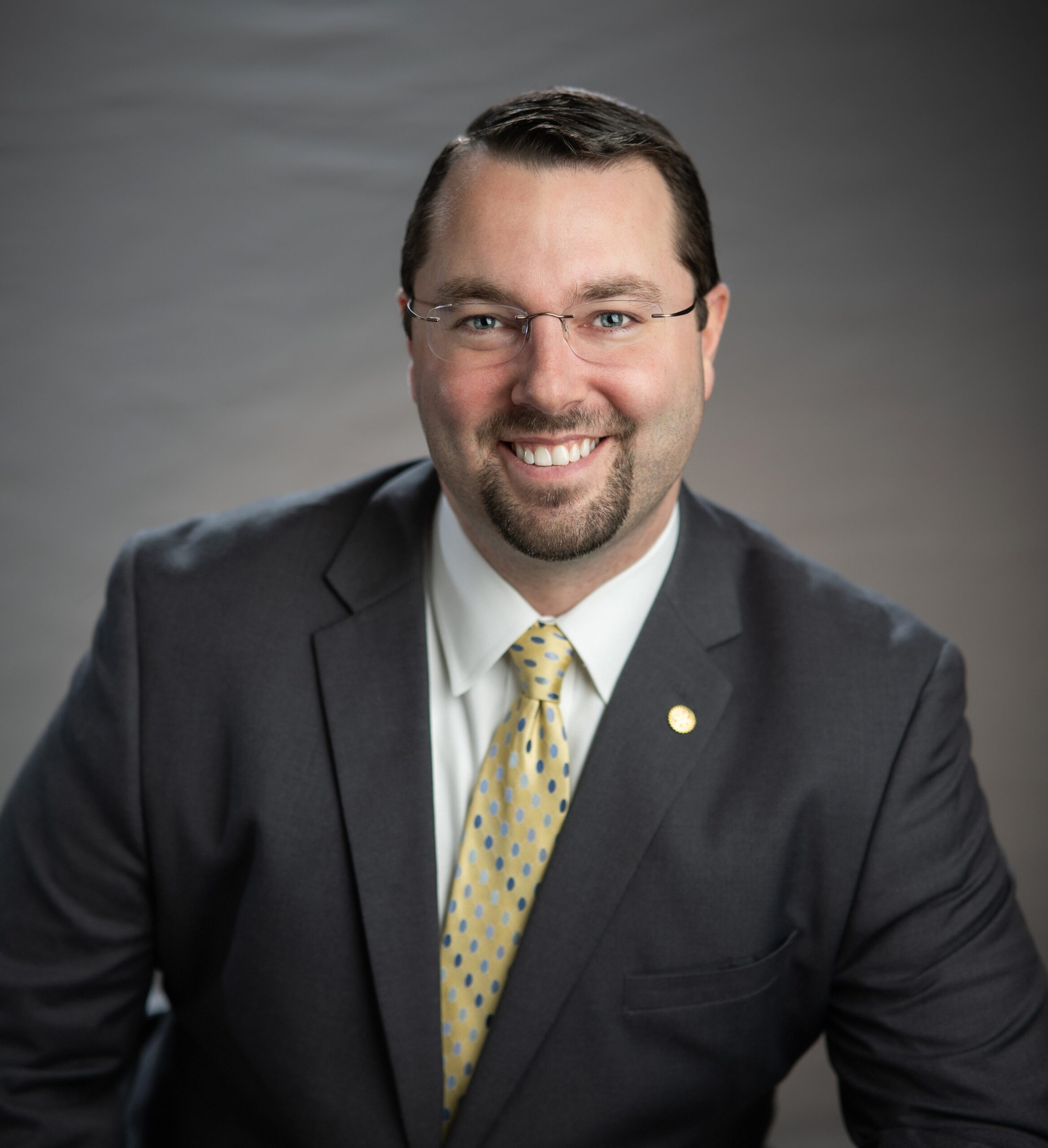
Our district’s biggest concerns are rising costs, government overreach, and a lack of transparency and accountability in Harrisburg. Families and small businesses are feeling the pressure of inflation, high taxes, and burdensome regulations that make it harder to grow and succeed. At the same time, many residents feel disconnected from decisions being made at the state level. If elected, I will fight for fiscal discipline, lower taxes, and responsible budgeting that respects taxpayer dollars. I will support policies that empower job creators, reduce unnecessary regulation, and promote sustainable economic growth. Also – I have every intention of finding a way to eliminate the inheritance tax, also referred to as the death tax. Just as importantly, I will prioritize open communication to ensure our community has a strong, consistent voice in Harrisburg.
- Accountability
How will residents know you are effectively representing them? What does accountability mean to you as a state legislator?
Harrisburg has a transparency problem, and I intend to be part of the solution. For too long, decisions have been made behind closed doors, leaving taxpayers in the dark about how their money is being spent. That’s not acceptable to me. I will push for stronger open records policies, more frequent and accessible town halls, and clear, consistent public reporting so constituents are never left guessing. District 12 residents deserve to know what’s happening in our government not after the fact, but in real time. I believe an informed community is an empowered one. That’s why I’ll make transparency, accountability, and open communication a cornerstone of how I serve every single day.
- Government Structure
Pennsylvania has one of the largest state legislatures in the country. Do you support reducing the size of the Pennsylvania General Assembly? Why or why not?
Pennsylvania is one of only 10 full-time state legislatures in the country and one of the most expensive. Yet last year, only 65 bills were passed. That’s the lowest total in over a decade. Taken together, if the legislature is that large and still can’t get things done, we shouldn’t be asking taxpayers to shoulder such a heavy burden for this level of dysfunction. I believe it’s time to right-size government. Downsizing the legislature would help rein in costs, increase efficiency, and restore accountability because taxpayers deserve a government that works as hard as they do.
- Education Policy
Do you support school choice legislation? How would you balance parental choice with protecting funding for public schools in suburban and rural districts like ours?
As a husband and father of two children – one with special needs and one in public school – I am strongly in support of school choice. I support expanding the vouchers and tax credits so funding follows the student, giving parents real options to choose what works best. Every child learns differently, and every family deserves the ability to find the setting that best fits their needs. I spoke about this in depth with Erika Donalds, a political activist who started 6 charter schools, when she came to Butler County earlier this month.
We also have to be honest about what’s happening in our education system. Funding isn’t the core issue. We’ve been investing more and more into public education year over year – including Governor Shapiro’s latest budget, which provides record funding for schools to hire educators and upgrade facilities. Those investments matter.
But despite that, performance numbers remain largely stagnant. We can’t keep doing the same thing and expect different results. I support our public schools and the dedicated educators who serve our students, but our focus must always be the student not the system
- Election Administration
Under the U.S. Constitution, elections are primarily administered by states. Do you believe election administration in Pennsylvania should remain under state and local control, or should the federal government have a greater role? Please explain your position.
Elections are the foundation of our democracy, and the Constitution is clear – election administration belongs to the states. The Founders were wise to decentralize this power, ensuring elections are run close to the people they impact. Putting the federal government in charge would create a single point of failure and open the door to political manipulation. We’ve already seen proposals to federalize voter registration, ballot rules, and election procedures. That’s not reform that’s a federal takeover. Every time Washington expands its role in elections, it chips away at the sovereignty the Constitution guarantees to the states.
Follow-up:
What specific policies would you support to ensure elections are secure, transparent, and trusted by voters?
I support a simple, common-sense approach to secure and trusted elections. That starts with strong voter ID requirements to ensure every voter is properly verified. It also means robust post-election audits to confirm accuracy and build confidence in the results. We need clean, regularly maintained voter rolls to keep our system up to date and secure, and we should fully support and properly staff our local election workers who are responsible for running elections on the ground. These are practical steps that strengthen security, improve transparency, and most importantly, restore trust in the process.
- Route 228
What is one issue specific to the Route 228 corridor or southern Butler County that you believe is being overlooked at the state level?
What I think often gets overlooked is how quickly this region has grown, and how state-level planning and services have not kept pace with that growth. I’m also living it almost every day as I drive down Franklin. Everyone sees the Route 228 construction, which is a positive development. But behind the scenes, local townships are working to keep up with increasing demands on schools, emergency services, and basic municipal infrastructure – often with limited resources and little coordinated support. Harrisburg has not had a serious enough conversation about what it means for one of the fastest-growing corridors in Western Pennsylvania to be managed in a fragmented way by multiple small municipalities. At the same time, the state benefits from the economic growth along the 228 corridor – through new housing, business development, and job creation – but that revenue is not always reinvested locally in a way that matches the scale of growth and need. That imbalance deserves more attention and a more thoughtful approach from Harrisburg.
- Cost of Living / Taxes
Many residents in our area are concerned about rising property taxes, reassessment, and overall cost of living. What specific actions would you support at the state level to help reduce the financial burden on homeowners and families? taxes, reassessment, and overall cost of living i.e. gas, food etc.
First, on housing and property taxes our challenges here are driven largely by a supply problem, not a demand problem. We need to cut red tape, streamline permitting, and reduce unnecessary mandates that make it more expensive and slower to build. By incentivizing responsible development, expanding workforce housing, and partnering with the private sector, we can increase supply, stabilize housing costs, and ease pressure on homeowners. Second, on property taxes and reassessment concerns, we should focus on making the system more predictable and transparent for homeowners so families aren’t blindsided by sudden spikes in their tax burden.
Finally, on the broader cost of living, we should unleash Pennsylvania’s energy dominance. By increasing supply and strengthening our energy sector, we can put real downward pressure on costs for ratepayers. Lower energy prices don’t just show up on utility bills – they ripple throughout the entire economy, helping reduce costs for transportation, manufacturing, and everyday goods that families rely on.